
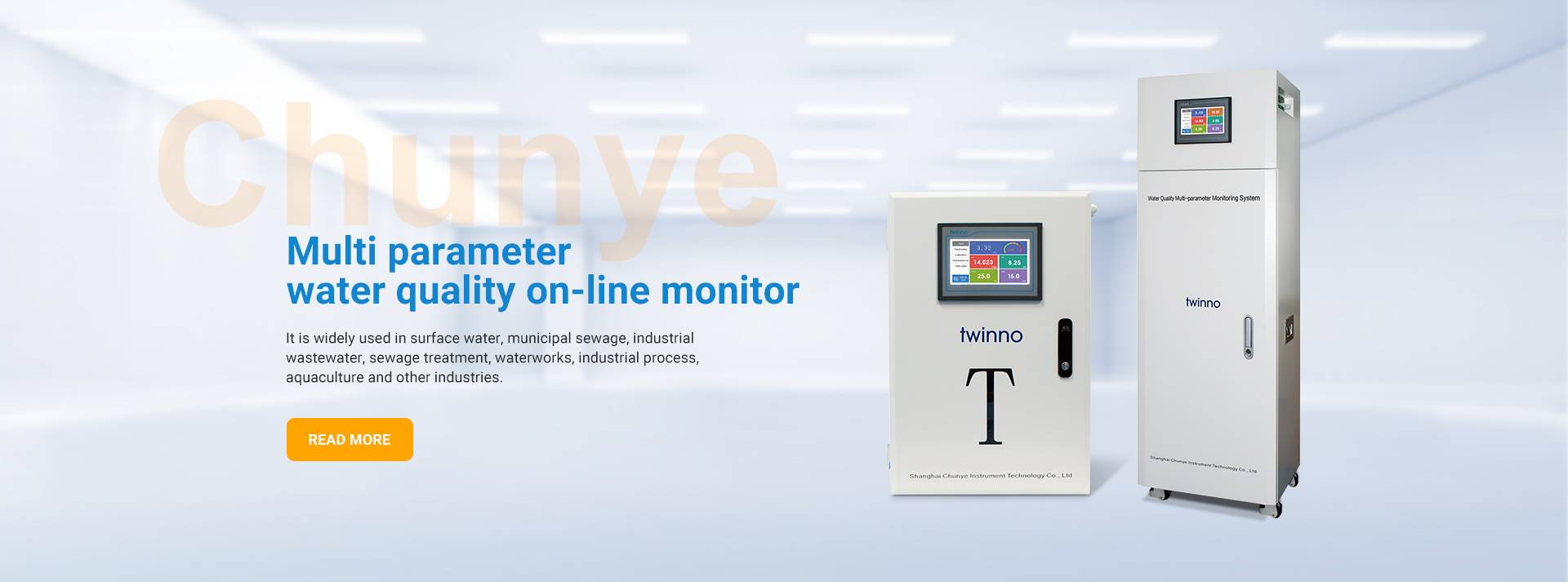

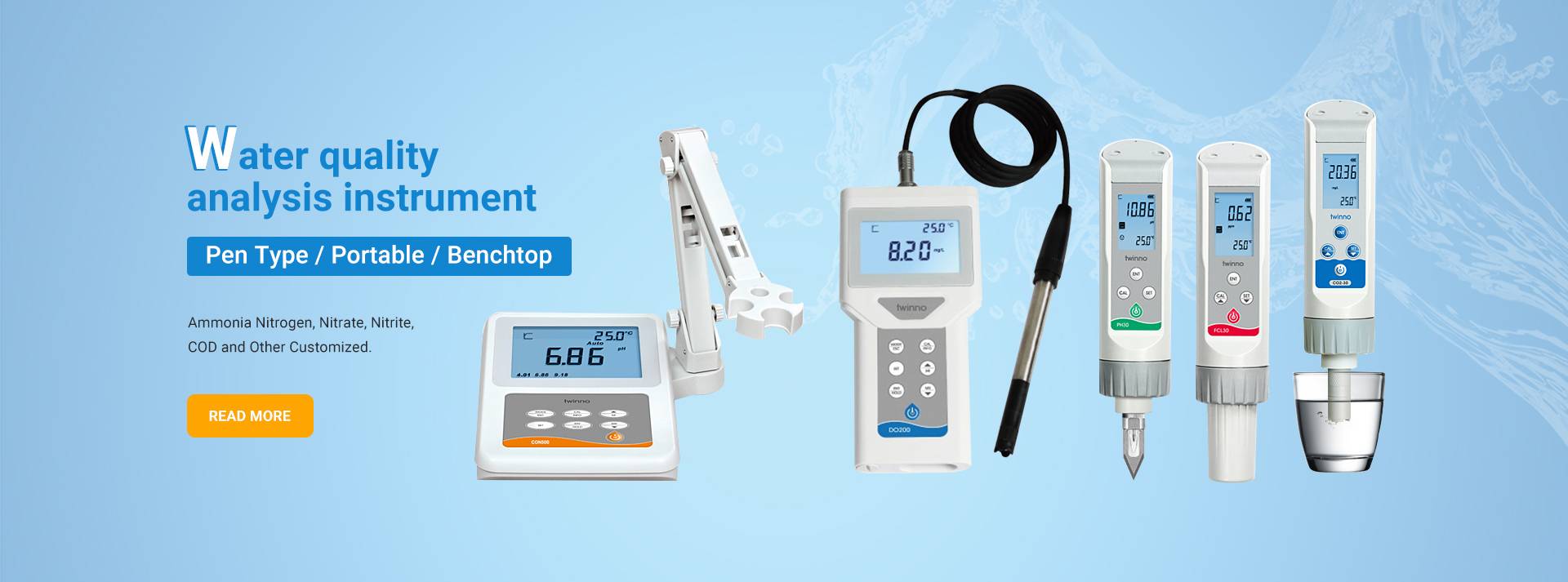
01. Daily Inspection and Maintenance
Every day, check the instrument's operating status, data transmission system, and video monitoring system by remotely viewing data or conducting on-site inspections to determine whether the water pollution source online monitoring system is functioning normally. If continuous data anomalies are found, the site should be visited for inspection.
02. Weekly Inspection and Maintenance
1.Perform on-site maintenance of the water pollution source online monitoring system at least once every 7 days.
2.Check the water supply and pump water intake conditions; verify that internal pipelines are unobstructed, and that the instrument's automatic cleaning device is operating normally. Inspect the sampling inlet pipes and drainage pipes of each instrument for cleanliness, and clean them if necessary. Regularly clean the water pump and filter screen.
3.Check the electrical circuit system and communication system within the monitoring station for proper operation.
4.For instruments using the electrode method, check the electrode filling solution level; clean the electrode probe if necessary.
5.Verify that standard solutions and reagents for each online monitoring instrument are within their expiration dates, and ensure they are replaced regularly according to relevant requirements.
6.Inspect the operation of the data acquisition and transmission unit, check for any damage at connection points, and conduct sample data checks to compare consistency between the online monitor, the data acquisition unit, and the data received by the central monitoring platform.
7.Check whether the pipelines of the automatic water quality sampling system are clean, and verify the normal operation of the sampling pump, sampling barrel, and sample retention system, including the sample storage temperature.
8.If some sites use gas cylinders, check the gas supply system for leaks and confirm the gas pressure meets usage requirements.
03. Monthly Inspection and Maintenance
1.Monthly on-site maintenance should include maintenance of the online monitoring instruments, servicing the instrument analysis system; checking the operational status of the data storage or control system; and inspecting instrument grounding and the station's lightning protection measures.
2.For online monitoring instruments: According to the corresponding instrument operation and maintenance manual, inspect and maintain easily worn parts, replacing them if necessary; inspect and clean the sampling unit, digestion unit, detection unit, and metering unit.
3.For the automatic water quality sampling system: Replace the(peristaltic pump) tubing as needed, and clean the mixing sampling bottle.
4.For pH automatic analyzers: Clean the electrode with acid solution once; check for electrode passivation, and calibrate or replace if necessary.
5.For ultrasonic open channel flow meters: Check if the level sensor height has changed; inspect for objects between the ultrasonic probe and the water surface that could interfere with measurement; and remove any obstructions within the weir affecting flow measurement.
04. Quarterly Inspection and Maintenance
1.For online monitoring instruments: According to the corresponding instrument operation and maintenance manual, inspect and replace easily worn parts, and check the reliability of key components, such as the accuracy of the metering unit and the sealing of the reaction chamber, replacing them if necessary.
2.Waste liquid generated by online monitoring instruments must be collected in dedicated containers and handled in accordance with GB 18597 regulations by a qualified hazardous waste treatment company. It must not be discharged arbitrarily or returned to the sewage outlet.
05. Key Points for Inspection and Maintenance
1.Operating personnel should keep records when troubleshooting and performing maintenance on the water pollution source online monitoring system.
2.Ensure the security of the monitoring station. Entry and exit should be logged, including entry and exit times, personnel, and reasons for accessing the station. A video monitoring system should be in place.
3.Maintain the cleanliness of the monitoring station and equipment. Ensure the temperature and humidity inside the station meet the requirements for normal instrument operation.
4.Keep all instrument pipelines unobstructed, with normal effluent flow and no leaks.
5.Regularly inspect auxiliary equipment such as power controllers, air conditioners, exhaust fans, heating, and fire-fighting equipment.
6.Other maintenance tasks, including instrument upkeep and periodic replacement of consumables, should be carried out according to the relevant instrument manual.
Post time: Mar-02-2026