

Products
-

Portable Pen-Style ORP Meter with 3-Color LED Indicator
This product is a pen-style ORP (oxidation-reduction potential) gradient meter featuring a portable pen-style design that provides long-lasting power with a single 1.5V battery. Through three LED indicators—red, yellow, and green—the product displays the ORP value of the tested solution in graduated levels, allowing users to quickly assess the solution’s oxidation-reduction state without needing to take a reading. The device has extremely low standby power consumption and is simple to operate (single-button control), making it widely applicable in aquaculture, swimming pool water quality monitoring, water treatment, laboratory screening, and rapid on-site testing. -

Online Digital NH3-N Potassium Ion Compensation Ammonia Nitrogen Sensor RS485 CS6015DK
Digital NH₃-N Ammonia Nitrogen Sensor is an online analytical device for continuous measurement of ammonia nitrogen concentration in water and wastewater. It typically operates on the ion-selective electrode (ISE) principle combined with a gas-permeable membrane. Ammonia gas diffuses through the membrane into an internal electrolyte, causing a pH change that is directly proportional to the NH₃-N concentration. The sensor features automatic temperature compensation (ATC), a built-in reference electrode, and direct digital output (RS-485, Modbus RTU) for seamless integration into SCADA or IoT platforms. Its robust, waterproof (IP68) housing ensures reliable performance in harsh environments. Common applications include municipal wastewater treatment (aeration tank and effluent monitoring), aquaculture (toxicity control), drinking water source protection, and industrial process control. Typical range is 0–1000 mg/L with fast response and low maintenance. Compared to colorimetric analyzers, this sensor requires no reagents, no sample preparation, and provides real-time data. It helps optimize aeration, reduce energy and chemical costs, ensure regulatory compliance, and protect aquatic life. Its digital design eliminates signal interference and enables plug‑and‑play connectivity, remote calibration, and long-term stability, making it essential for unattended, continuous water quality monitoring.
-
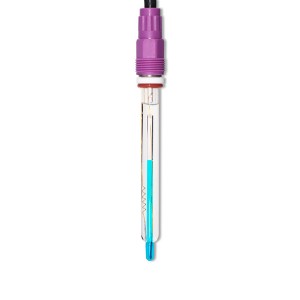
CS1554CDB/CS1554CDBT Digital All-round Sensor For PH Measurement New glass electrode(Slurry / High‑viscosity water samples)
This instrument is equipped with RS485 transmission interface, which can be connected to the host computer through ModbusRTU protocol to realize monitoring and recording. It can be widely used in industrial occasions such as thermal power generation, chemical industry, metallurgy, environmental protection, pharmaceutical, biochemical, food and tap water.ph electrode (ph sensor) consists of a pH-sensitive membrane, double-junction reference GPT medium electrolyte, and a porous ,large-area PTFE salt bridge. The glass‑bulb electrode can withstand a maximum temperature of 130 °C. -
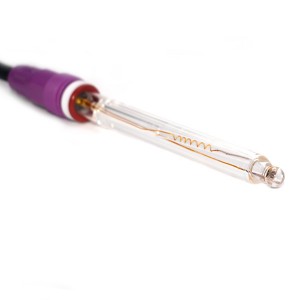
CS1554C/CS1554CT Industrial Online pH Water Treatment Analysis Instrument pH Electrode(Electroplating / Heavy‑metal Water Quality)
PH/ORP controller is an intelligent on-line chemical analysis instrument. It can continuously monitor data and realize remote transmission monitoring and recording. It can also connect to the RS485 interface. You can also easily connect to a computer using the 4-20ma protocol.compatible with a variety of analog signal electrodes. Complete functions, stable performance, easy operation, low power consumption, safety and reliability are the outstanding advantages of this instrument. This instrument is equipped with RS485 transmission interface. -
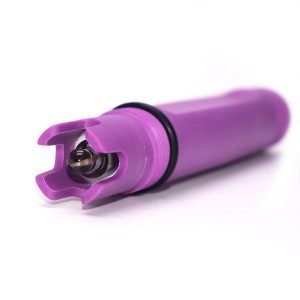
CS1754FC Industrial Online pH Electrode – PP+GF Plastic Body, PTFE Liquid Junction, Ag/AgCl Reference System for Harsh Chemical Environments
compatible with a variety of analog signal electrodes. Complete functions, stable performance, easy operation, low power consumption, safety and reliability are the outstanding advantages of this instrument. This instrument is equipped with RS485 transmission interface, which can be connected to the host computer through ModbusRTU protocol to realize monitoring and recording. It can be widely used in industrial occasions such as thermal power generation, chemical industry, metallurgy, environmental protection, pharmaceutical, biochemical, food and tap water.
Industrial Online Multi Water Quality Monitoring Combination pH Sensor pH Electrode Probe For Wastewater treatment -
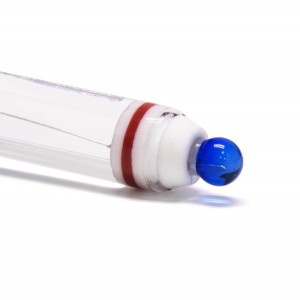
CS1544CDB/CS1544CDBT PH Meter 0-14 Range pH Calcium Hydroxide Electrode Probe
Lime‑water (Calcium Hydroxide) medium. ph electrode (ph sensor) consists of a pH-sensitive membrane, double-junction reference GPT medium electrolyte, and a porous ,large-area PTFE salt bridge. The plastic case of the electrode is made of modified PON, which can withstand high temperature up to 100°C and resist strong acid and strong alkali corrosion. It is widely used in wastewater treatment and fields including mining and smelting, papermaking, paper pulp, textiles, petrochemical industry, process of semiconductor electronic industry and downstream engineering of biotechnology. -

SC300MP Portable Multi-Parameter Analyzer
SC300MP Portable Multi-Parameter Analyzer
It adopts the architecture of main controller paired with digital sensors, supporting plug-and-play. Compared with traditional reagent-based testing equipment, it features simpler operation and higher efficiency, suitable for water monitoring in lakes, rivers, sewage and other scenarios.
The controller is powered by a high-capacity lithium battery for extended standby and operating time, avoiding troubles caused by power failure. The main unit adopts an ergonomic design for comfortable gripping.
All sensors adopt RS485 digital communication to achieve stable data transmission.
Available measuring parameters: pH, ORP, conductivity, dissolved oxygen, turbidity, suspended solids, oil in water, nitrate nitrogen, nitrite nitrogen, chlorophyll, blue-green algae, ionic parameters (fluoride, chloride, ammonia nitrogen, nitrate nitrogen, calcium ion, potassium ion), etc. -
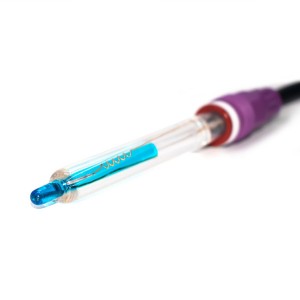
CS1543C/CS1543CT PG13.5 Thread Industrial pH Electrode 0-14pH 0-100℃ with Built-in Temp Compensation (10K/2.2K) for Strong Acid Alkali
Designed For pH sensor Strong acids
industrial pH electrodes are high-quality sensors for professional applications in process and industrial measurement technology. These electrodes are known for their use of top-quality materials and components. They are designed as combined electrodes (the glass or metal electrode and the reference electrode are combined in one shaft). A temperature probe can also be integrated as an option, depending on the type.Incineration plants
Water treatment:
- Drinking water
- Cooling water
- Well water
With ATEX, FM, CSA approval for use in hazardous areas. -

Online Chlorine Dioxide Monitor SC4000CLO2
The Industrial Online Chlorine Dioxide Monitor is a water quality online monitoring and control device equipped with a microprocessor. It is widely utilized in various industrial processes including drinking water treatment plants, drinking water distribution networks, swimming pools, water treatment facilities, wastewater treatment systems, and water disinfection applications, enabling continuous monitoring and control of chlorine dioxide concentrations and temperature values in aqueous solutions. -

CS1797FC pH Electrode
CS1797 is a specialized pH sensor designed to deliver reliable measurements in harsh organic solvent and non-aqueous applications. Unlike conventional pH electrodes that degrade in aggressive chemical media, the CS1797 features a rugged reference system and specialized glass membrane that resist dehydration, contamination, and chemical attack commonly found in non-water-based solutions.
Ideal for chemical synthesis, pharmaceutical manufacturing, petrochemical processing, and industrial quality control, this sensor ensures stable performance across a wide pH range, even in low-ion-conductivity media. Its robust construction minimizes drift and extends service life, reducing maintenance frequency and total cost of ownership. The CS1797 offers fast response, high accuracy, and excellent reproducibility, making it a trusted choice for process monitoring where standard electrodes fail. Compatible with most industrial transmitters, it enables seamless integration into existing measurement systems. Whether monitoring acidic or alkaline organic solvents, the CS1797 delivers consistent, dependable results you can count on. -

CS1797 pH Sensor Plastic Housing Industrial Online pH Sensor for Wastewate
CS1797 is a specialized pH sensor designed to deliver reliable measurements in harsh organic solvent and non-aqueous applications. Unlike conventional pH electrodes that degrade in aggressive chemical media, the CS1797 features a rugged reference system and specialized glass membrane that resist dehydration, contamination, and chemical attack commonly found in non-water-based solutions.
Ideal for chemical synthesis, pharmaceutical manufacturing, petrochemical processing, and industrial quality control, this sensor ensures stable performance across a wide pH range, even in low-ion-conductivity media. Its robust construction minimizes drift and extends service life, reducing maintenance frequency and total cost of ownership. The CS1797 offers fast response, high accuracy, and excellent reproducibility, making it a trusted choice for process monitoring where standard electrodes fail. Compatible with most industrial transmitters, it enables seamless integration into existing measurement systems. Whether monitoring acidic or alkaline organic solvents, the CS1797 delivers consistent, dependable results you can count on.
-
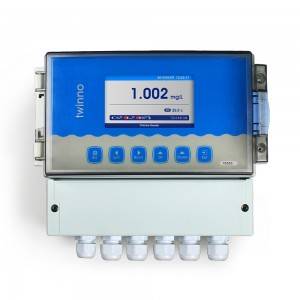
Online Chlorine Dioxide Meter T6553
Online Chlorine Dioxide (ClO₂) Meter is an analytical instrument designed for continuous, real‑time monitoring of chlorine dioxide concentration in water. Chlorine dioxide is a powerful disinfectant widely used in drinking water treatment, wastewater disinfection, food processing, pulp bleaching, and cooling water systems. The meter typically operates on the amperometric or colorimetric principle. Amperometric sensors measure the current generated by the electrochemical reduction of ClO₂ at a working electrode, offering high selectivity and fast response. Colorimetric methods use DPD or similar reagents to produce a color proportional to ClO₂ concentration, measured photometrically. Online meters feature automatic temperature compensation, self‑cleaning mechanisms, and wide measurement ranges (e.g., 0–10 mg/L). They provide standard outputs (4–20 mA, RS‑485 Modbus) for seamless integration into SCADA or plant control systems. By delivering continuous, accurate chlorine dioxide readings, the meter ensures effective disinfection, minimizes chemical overdosing, protects public health, and helps operators maintain regulatory compliance in water treatment processes. Its low maintenance, reagent‑free (or low reagent) design makes it suitable for unattended, long‑term field deployment. -

T9090 Drifting water quality multi-parameter online monitor
This float can be designed according to different application scenarios, and can adapt to a variety of field environments, suitable for the online water quality monitoring of oceans, rivers and lakes. Various conventional water quality monitoring modules, such as water temperature, PH value, conductivity / TDS, dissolved oxygen, turbidity, COD, ammonia nitrogen and other parameters, can be modular and loaded. This product is based on the floating basis, can be directly put in the tested water body for use. Buybuoy size: diameter is about 1 meter, overall height is about 0.7 meters, weight is about 40KG. The material is a polymer material, with good impact resistance, corrosion prevention characteristics, strong and durable. -

Digital Oil-in-Water Sensor CS6900CD
Commonly used oil-in-water detection methods include the suspension method (D/λ<=l), infrared
spectrophotometry (not suitable for low range), ultraviolet spectrophotometry (not suitable for high range), etc. The online oil-in-water sensor adopts the principle of the fluorescence method. Compared with several commonly used methods, the fluorescence method is more efficient, quicker, and more reproducible, and can be monitored online in real time. The sensor has better repeatability and stability. -
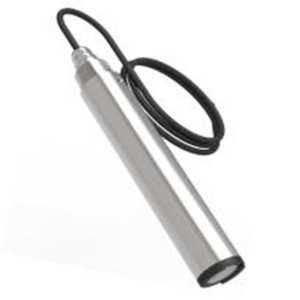
Online Chlorophyll Sensor RS485 Output Usable on Multiparameter Sonda CS6400D
The principle of CS6400D Chlorophyll Sensor is using the characteristics of chlorophyll A who has absorption peaks and emission peaks in the spectrum. The
absorption peaks emit monochromatic light into the water,chlorophyll A in the water absorbs the energy of monochromatic light,releasing monochromatic light of emission peak of another wavelength. The light intensity emitted by cyanobacteria is proportional to the content of chlorophyll A in water.