

Digital Ion Selective Sensor
-
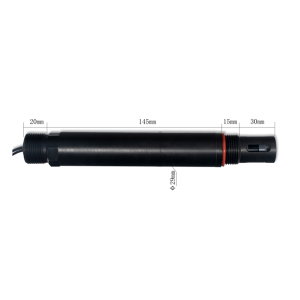
Water Online Digital RS485 Chloride Ion Selective Sensor for Water Monitoring CS6711AD
CS6711AD digital chloride ion sensor uses a solid membrane ion selective electrode for testing fluoride ions floating in water, which is fast, simple, accurate and economical.The design adopts the principle of single-chip solid ion selective electrode, with high measurement accuracy. Double salt bridge design, longer service life.The patented chloride ion probe, with an internal reference fluid at a pressure of at least 100KPa (1Bar), seeps extremely slowly from the microporous salt bridge. Such a reference system is very stable and the electrode life is longer than the ordinary. -
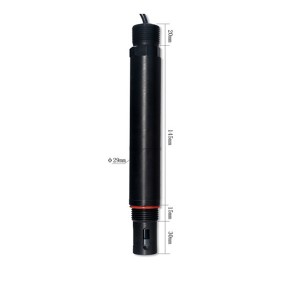
Digital Fluoride Ion Online ISE Probe for Wastewater Treatment Sensor CS6710AD
CS6710AD digital fluoride ion sensor uses a solid membrane ion selective electrode for testing fluoride ions floating in water, which is fast, simple, accurate and economical. The design adopts the principle of single-chip solid ion selective electrode, with high measurement accuracy. Double salt bridge design, longer service life.The patented fluoride ion probe, with an internal reference fluid at a pressure of at least 100KPa (1Bar), seeps extremely slowly from the microporous salt bridge. Such a reference system is very stable and the electrode life is longer than the ordinary. -

Factory Sales Online Ammonia Potassium ion Analyzer Meter 3/4NPT for wastewater CS6712AD
Easy to connect to PLC, DCS, industrial control computers, general purpose controllers, paperless recording instruments or touch screens and other third party devices.The CS6712AD potassium ion selective electrode is an effective method to measure the potassium ion content in the sample. Potassium ion selective electrodes are also often used in online instruments, such as industrial online potassium ion content monitoring. , Potassium ion selective electrode has the advantages of simple measurement, fast and accurate response. It can be used with PH meter, ion meter and online potassium ion analyzer, and also used in electrolyte analyzer, and ion selective electrode detector of flow injection analyzer. -

Online Ammonia Ammonium Ion-selective Electrodes Water Quality Monitoring RS485 4-20mA CS6714AD
Easy to connect to PLC, DCS, industrial control computers, general purpose controllers, paperless recording instruments or touch screens and other third party devices.The CS6714AD ammonium ion selective electrode is an effective method to measure the ammonium ion content in the sample. Ammonium ion selective electrodes are also often used in online instruments, such as industrial online ammonium ion content monitoring. Ammonium ion selective electrode has the advantages of simple measurement, fast and accurate response. It can be used with PH meter, ion meter and online ammonium ion analyzer, and also used in electrolyte analyzer, and ion selective electrode detector of flow injection analyzer. -

Industry Water Hardness Meter NH4 Ion Selective Electrode Sensor Probe RS485 CS6718AD
Easy to connect to PLC, DCS, industrial control computers, general purpose controllers, paperless recording instruments or touch screens and other third party devices.The CS6718AD water hardness ion selective electrode is an effective method to measure the calcium ion content in the sample. Calcium ion selective electrodes are also often used in online instruments, such as industrial online calcium ion
content monitoring. Calcium ion selective electrode has the advantages of simple measurement, fast and accurate response. It can be used with PH meter, ion meter and online calcium ion analyzer, and also used in electrolyte analyzer, and ion selective electrode detector of flow injection analyzer. -
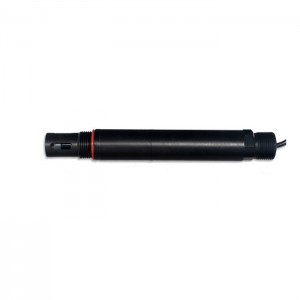
Nitrate Ion Selective Electrod RS485 Output Water quality sensor ca2+ ion Electrode for Waste Water CS6720AD
CS6720AD digital nitrate ion selective electrode is a kind of electrochemical sensor that uses membrane potential to measure the activity or concentration of ions in the solution. When it comes into contact with the solution containing the ions which are to be measured, it will generate contact with the sensor at the interface between its sensitive membrane and the solution. Ion activity is directly related to membrane potential. Ion selective electrodes are also called membrane electrodes. This type of electrode has a special electrode membrane that selectively responds to specific ions. The relationship between the potential of the electrode membrane and the ion content to be measured conforms to the Nernst formula. This type of electrode has the characteristics of good selectivity and short equilibrium time, making it the most commonly used indicator electrode for potential analysis -
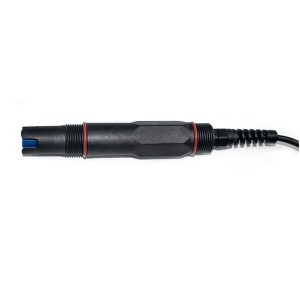
Calcium Ion Selective Electrode Water Quality Analysis CS6718S RS485 Digital Hardness
The calcium electrode is a PVC sensitive membrane calcium ion selective electrode with organic phosphorous salt as the active material, used to measure the concentration of Ca2+ ions in the solution.
Application of calcium ion: The calcium ion selective electrode method is an effective method to determine the calcium ion content in the sample. The calcium ion selective electrode is also often used in online instruments, such as industrial online calcium ion content monitoring, calcium ion selective electrode has the characteristics of simple measurement, fast and accurate response, and can be used with pH and ion meters and online calcium ion analyzers. It is also used in ion selective electrode detectors of electrolyte analyzers and flow injection analyzers. -
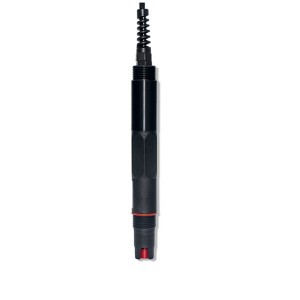
Industrial Online Analyzer Ammonia Nitrogen Sensor Digital RS485 CS6714SD
Digital ISE Sensor Series CS6714SD Ammonium Ion sensor is solid membrane ion selective electrodes, used to test ammonium ions in water, which can be fast, simple, accurate and economical;The design adopts the principle of single-chip solid ion selective electrode, with high measurement accuracy;PTEE large-scale seepage interface, not easy to block, anti-pollution Suitable for wastewater treatment in the semiconductor industry, photovoltaics, metallurgy, etc. and pollution source discharge monitoring;High-quality imported single chip, accurate zero point potential without drift. -

CS6721D Nitrate Ion Selective Electrode RS485 Output Water quality Sensor ca2+
Product advantages:
1.CS6721D Nitrite ion single electrode and composite electrode are solid membrane ion selective electrodes, used to test free chloride ions in water, which can be fast, simple, accurate and economical
2.The design adopts the principle of single-chip solid ion selective electrode, with high measurement accuracy
3.PTEE large-scale seepage interface, not easy to block, anti-pollution Suitable for wastewater treatment in the semiconductor industry, photovoltaics, metallurgy, etc. and pollution source discharge monitoring
4.High-quality imported single chip, accurate zero point potential without drift -

Digital RS485 Optical Nitrate Nitrogen Sensor NO3-N–CS6802CD
Digital Nitrite Nitrogen Sensor is an online analytical device for continuous measurement of nitrite‑nitrogen (NO₂⁻‑N) concentration in water and wastewater. It operates on the ion‑selective electrode (ISE) principle or an electrochemical method with a polymeric membrane, providing high selectivity and rapid response without the need for reagents or sample preparation. The sensor integrates a built‑in reference electrode and automatic temperature compensation (ATC) for accurate, drift‑free readings over a typical range of 0–10 mg/L. It directly outputs digital data via RS‑485 (Modbus RTU), enabling plug‑and‑play integration into SCADA or IoT platforms. Its durable, waterproof (IP68) housing and low‑maintenance design are suitable for continuous monitoring in aeration tanks, effluent channels, drinking water sources, and aquaculture systems. Nitrite is an intermediate product of nitrification and denitrification; excess levels are toxic to fish and indicate incomplete biological treatment. By delivering real‑time nitrite data, the sensor helps optimize aeration and carbon dosing, improve nitrogen removal efficiency, reduce energy and chemical costs, and ensure compliance with discharge limits (e.g., <1 mg/L for drinking water). Compared to colorimetric analyzers, this ISE‑based sensor requires no chemical reagents, no sample filtration, and has faster response, lower operational cost, and simpler maintenance. Its digital output supports remote calibration, self‑diagnostics, and unattended continuous water quality monitoring, making it an essential tool for wastewater treatment plants, environmental agencies, and aquaculture farms. The sensor can be directly submersed into tanks or channels, providing real‑time data without pumping or sample conditioning, thus ensuring rapid detection of process upsets and timely corrective actions. -

CS6805CD Digital Optical RS485 Nitrite Nitrogen Sensor NO2-N
Digital Nitrite Nitrogen Sensor is an online analytical device for continuous measurement of nitrite‑nitrogen (NO₂⁻‑N) concentration in water and wastewater. It operates on the ion‑selective electrode (ISE) principle or an electrochemical method with a polymeric membrane, providing high selectivity and rapid response without the need for reagents or sample preparation. The sensor integrates a built‑in reference electrode and automatic temperature compensation (ATC) for accurate, drift‑free readings over a typical range of 0–10 mg/L. It directly outputs digital data via RS‑485 (Modbus RTU), enabling plug‑and‑play integration into SCADA or IoT platforms. Its durable, waterproof (IP68) housing and low‑maintenance design are suitable for continuous monitoring in aeration tanks, effluent channels, drinking water sources, and aquaculture systems. Nitrite is an intermediate product of nitrification and denitrification; excess levels are toxic to fish and indicate incomplete biological treatment. By delivering real‑time nitrite data, the sensor helps optimize aeration and carbon dosing, improve nitrogen removal efficiency, reduce energy and chemical costs, and ensure compliance with discharge limits (e.g., <1 mg/L for drinking water). Compared to colorimetric analyzers, this ISE‑based sensor requires no chemical reagents, no sample filtration, and has faster response, lower operational cost, and simpler maintenance. Its digital output supports remote calibration, self‑diagnostics, and unattended continuous water quality monitoring, making it an essential tool for wastewater treatment plants, environmental agencies, and aquaculture farms. The sensor can be directly submersed into tanks or channels, providing real‑time data without pumping or sample conditioning, thus ensuring rapid detection of process upsets and timely corrective actions. -

CS6712D Digital Potassium Ion Sensor
Digital Potassium Ion Sensor is an online analytical device for continuous measurement of potassium ion (K⁺) concentration in water, wastewater, and other aqueous solutions. It operates on the principle of ion‑selective electrode (ISE), typically using a valinomycin‑based polymer membrane, which provides exceptional selectivity for potassium over other cations such as sodium (Na⁺) and calcium (Ca²⁺). The sensor integrates a reference electrode and automatic temperature compensation (ATC), delivering accurate, drift‑free readings over a wide range (e.g., 0–1000 mg/L). It directly outputs digital data via RS‑485 (Modbus RTU), enabling plug‑and‑play integration into SCADA or IoT platforms. Its robust, waterproof (IP68) housing and low‑maintenance design make it suitable for demanding applications such as drinking water monitoring, wastewater treatment, aquaculture, agricultural runoff control, and industrial process control. Unlike colorimetric or flame photometry methods, the ISE‑based sensor requires no reagents, no sample preparation, and provides real‑time data. By delivering continuous, reliable potassium readings, it helps optimize nutrient management (e.g., in hydroponics or fertilizer dosing), monitor water quality in rivers and lakes, and ensure compliance with environmental discharge limits. The digital output eliminates signal interference, supports remote calibration and self‑diagnostics, and reduces operational and maintenance costs, making it an essential tool for unattended, continuous water quality monitoring. -
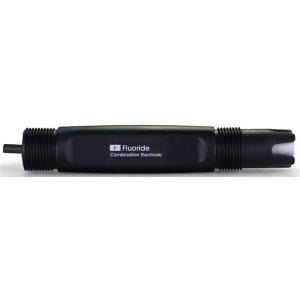
CS6710D Digital Fluoride ion Sensor
Digital Fluoride Ion Sensor is an online analytical device for continuous measurement of fluoride ion (F⁻) concentration in water. It operates on the principle of ion‑selective electrode (ISE) with a solid‑state lanthanum fluoride (LaF₃) crystal membrane, ensuring high selectivity and stability. The sensor integrates a reference electrode and automatic temperature compensation (ATC) for accurate, drift‑free readings over a typical range of 0.01–2000 mg/L. It directly outputs digital data via RS‑485 (Modbus RTU), enabling plug‑and‑play integration into SCADA or IoT platforms. The durable, waterproof (IP68) housing and low‑maintenance design make it suitable for drinking water fluoridation control, wastewater treatment, and industrial process monitoring. Compared to colorimetric methods, this sensor requires no reagents, no sample preparation, and provides real‑time data. By delivering continuous, reliable fluoride readings, it helps optimize chemical dosing, ensure compliance with health standards (e.g., WHO guideline 0.5–1.5 mg/L), and protect public health. Its digital output eliminates signal interference, supports remote calibration, and reduces operational costs, making it an essential tool for unattended, continuous water quality monitoring. -

Digital RS485 Ammonia Nitrogen Sensor Potassium Ion Compensation NH3 NH4 CS6015D
Digital NH₃-N Ammonia Nitrogen Sensor is an online analytical device for continuous measurement of ammonia nitrogen concentration in water and wastewater. It typically operates on the ion-selective electrode (ISE) principle combined with a gas-permeable membrane. Ammonia gas diffuses through the membrane into an internal electrolyte, causing a pH change that is directly proportional to the NH₃-N concentration. The sensor features automatic temperature compensation (ATC), a built-in reference electrode, and direct digital output (RS-485, Modbus RTU) for seamless integration into SCADA or IoT platforms. Its robust, waterproof (IP68) housing ensures reliable performance in harsh environments. Common applications include municipal wastewater treatment (aeration tank and effluent monitoring), aquaculture (toxicity control), drinking water source protection, and industrial process control. Typical range is 0–1000 mg/L with fast response and low maintenance. Compared to colorimetric analyzers, this sensor requires no reagents, no sample preparation, and provides real-time data. It helps optimize aeration, reduce energy and chemical costs, ensure regulatory compliance, and protect aquatic life. Its digital design eliminates signal interference and enables plug‑and‑play connectivity, remote calibration, and long-term stability, making it essential for unattended, continuous water quality monitoring. -

Online Digital NH3-N Potassium Ion Compensation Ammonia Nitrogen Sensor RS485 CS6015DK
Digital NH₃-N Ammonia Nitrogen Sensor is an online analytical device for continuous measurement of ammonia nitrogen concentration in water and wastewater. It typically operates on the ion-selective electrode (ISE) principle combined with a gas-permeable membrane. Ammonia gas diffuses through the membrane into an internal electrolyte, causing a pH change that is directly proportional to the NH₃-N concentration. The sensor features automatic temperature compensation (ATC), a built-in reference electrode, and direct digital output (RS-485, Modbus RTU) for seamless integration into SCADA or IoT platforms. Its robust, waterproof (IP68) housing ensures reliable performance in harsh environments. Common applications include municipal wastewater treatment (aeration tank and effluent monitoring), aquaculture (toxicity control), drinking water source protection, and industrial process control. Typical range is 0–1000 mg/L with fast response and low maintenance. Compared to colorimetric analyzers, this sensor requires no reagents, no sample preparation, and provides real-time data. It helps optimize aeration, reduce energy and chemical costs, ensure regulatory compliance, and protect aquatic life. Its digital design eliminates signal interference and enables plug‑and‑play connectivity, remote calibration, and long-term stability, making it essential for unattended, continuous water quality monitoring.