
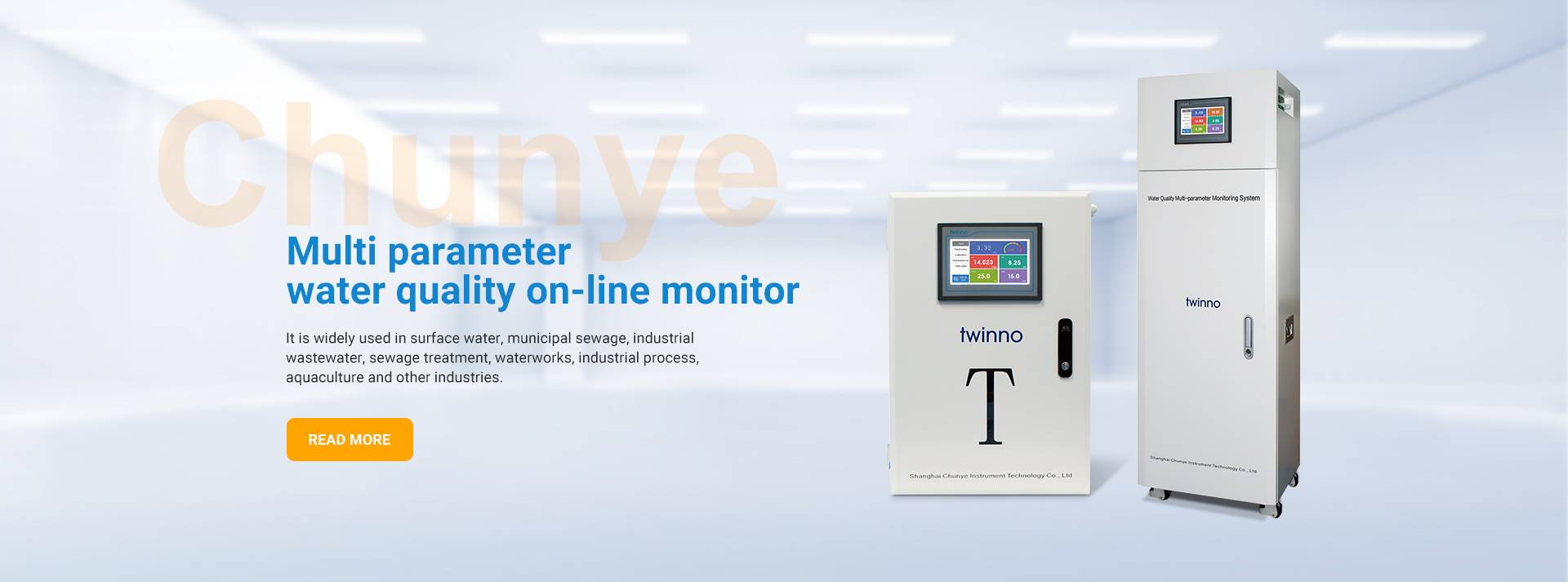

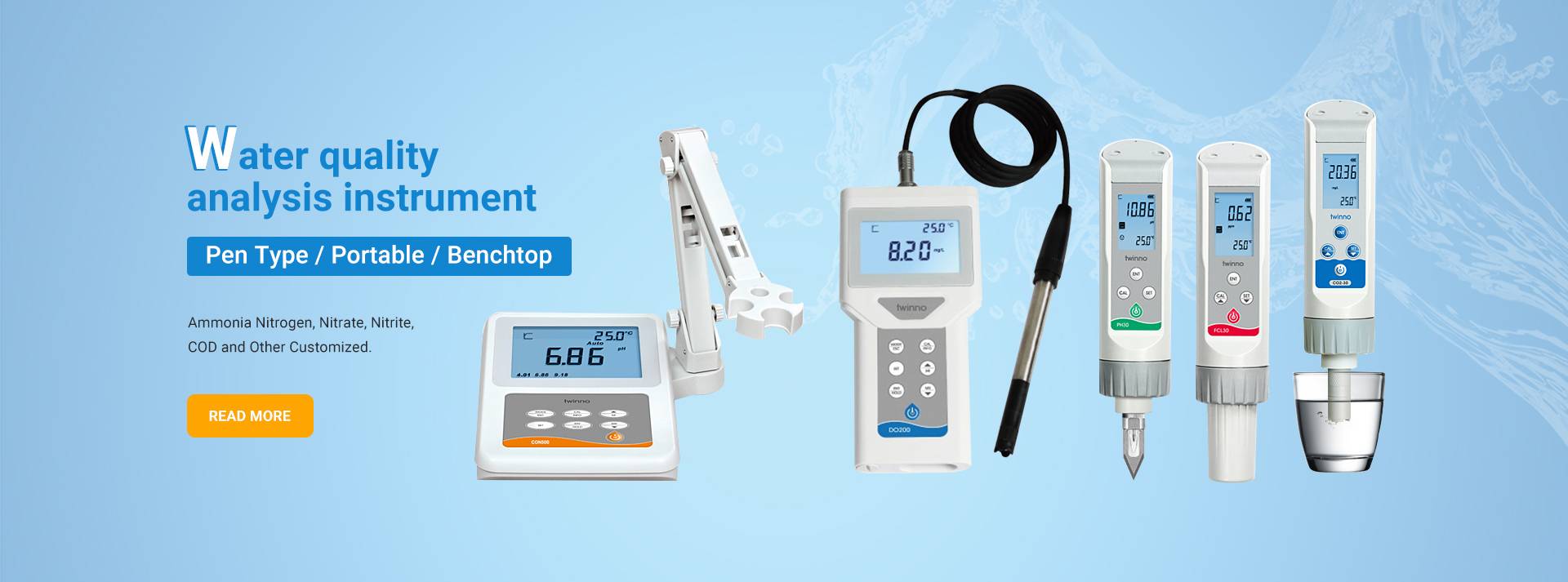
Online Water Quality Monitor
-

T9014W Biological Toxicity Water Quality Online Monitor
The Biological Toxicity Water Quality Online Monitor represents a transformative approach to water safety assessment by continuously measuring the integrated toxic effect of pollutants on living organisms, rather than merely quantifying specific chemical concentrations. This holistic biomonitoring system is critical for early warning of accidental or intentional contamination in drinking water sources, wastewater treatment plant influents/effluents, industrial discharges, and receiving water bodies. It detects synergistic effects of complex contaminant mixtures—including heavy metals, pesticides, industrial chemicals, and emerging pollutants—that conventional chemical analyzers may miss.By providing a direct, functional measure of water's biological impact, this monitor serves as an indispensable sentinel for protecting public health and aquatic ecosystems. It enables water utilities and industries to trigger immediate responses—such as diverting contaminated inflows, adjusting treatment processes, or issuing public alerts—long before traditional lab results are available. The system is increasingly integrated into smart water management networks, forming a vital component of comprehensive source water protection and regulatory compliance strategies in an era of complex pollution challenges. -

T9015W Coliform Bacteria Water Quality Online Monitor
The Coliform Bacteria Water Quality Analyzer is an advanced automated instrument designed for the rapid, online detection and quantification of coliform bacteria, including Escherichia coli (E. coli), in water samples. As key fecal indicator organisms, coliform bacteria signal potential microbiological contamination from human or animal waste, directly impacting public health safety in drinking water, recreational waters, wastewater reuse systems, and food/beverage production. Traditional culture-based methods require 24-48 hours for results, creating critical response delays. This analyzer provides near real-time monitoring, enabling proactive risk management and immediate regulatory compliance validation.The analyzer offers significant operational advantages, including automated sample processing, reduced contamination risk, and configurable alarm thresholds. It features self-cleaning cycles, calibration verification, and comprehensive data logging. Supporting standard industrial communication protocols (e.g., Modbus, 4-20mA), it integrates seamlessly with plant control and SCADA systems for instant alerts and historical trend analysis. -

T9027 Urea Water Quality Online Automatic Monitoring Instrument
The urea online monitor uses spectrophotometry for detection. This instrument is mainly used for online monitoring of swimming pool water.
This analyzer can operate automatically and continuously without human intervention for a long time based on on-site settings, and is widely applicable for online automatic monitoring of urea indicators in swimming pools.This analyzer typically employs enzymatic methods, most commonly using the enzyme urease, which catalyzes the hydrolysis of urea into ammonia and carbon dioxide. The resulting ammonia is then quantified through a secondary detection method, such as a gas-sensitive electrode (for potentiometric detection) or a colorimetric reaction (e.g., using the indophenol blue method, where ammonia reacts with hypochlorite and phenol to form a blue compound measurable by photometry). This approach ensures high specificity and sensitivity. The fully automated system integrates precise sample handling, reagent dosing, enzymatic reaction incubation, and detection, requiring minimal manual intervention. -

T9024 Residual Chlorine Water Quality Online Automatic Monitoring Instrument
The residual chlorine online monitor adopts the national standard DPD method for detection. This instrument is mainly used for online monitoring of wastewater from sewage treatment.Residual Chlorine Water Quality Analyzer is an essential online instrument designed for the continuous and real-time measurement of residual chlorine concentration in water. Residual chlorine, which includes free chlorine (HOCI, OCl⁻) and combined chlorine (chloramines), is a critical parameter for ensuring effective disinfection in drinking water distribution networks, swimming pools, industrial cooling systems, and wastewater effluent disinfection processes. Maintaining an optimal residual chlorine level is vital for preventing microbial regrowth and ensuring public health safety, while avoiding excessive concentrations that can lead to harmful disinfection by-products (DBPs) or corrosion. -

T9023 Aniline Water Quality Online Automatic Monitoring Instrument
The Aniline Online Water Quality Auto-Analyzer is a fully automated online analyzer controlled by a PLC system. It is suitable for real-time monitoring of various water types, including river water, surface water, and industrial wastewater from dye, pharmaceutical, and chemical industries. After filtration, the sample is pumped into a reactor where interfering substances are first removed through decolorization and masking. The pH of the solution is then adjusted to achieve optimal acidity or alkalinity, followed by the addition of a specific chromogenic agent to react with aniline in the water, producing a color change. The absorbance of the reaction product is measured, and the aniline concentration in the sample is calculated using the absorbance value and the calibration equation stored in the analyzer. -

T9022 Chloride Water Quality Online Automatic Monitoring Instrument
The chloride online monitor uses spectrophotometry for detection. This instrument is mainly used for monitoring surface water, groundwater, industrial wastewater, etc. Chloride Water Quality Monitor is an essential online analytical instrument designed for the continuous and real-time measurement of chloride ion (Cl⁻) concentration in water. Chloride is a key indicator of water salinity, pollution, and corrosivity, making its monitoring critical across diverse sectors. In drinking water safety, elevated chloride levels can affect taste and indicate potential contamination. In industrial applications—particularly power generation, chemical processing, and oil & gas—monitoring chloride is paramount for corrosion control in boiler systems, cooling towers, and pipelines. Furthermore, environmental agencies rely on chloride data to track saltwater intrusion, assess wastewater discharge compliance, and monitor the impact of road de-icing salts on freshwater ecosystems. -

T9017 Nitrite Nitrogen Water Quality Online Automatic Monitoring Instrument
The nitrite nitrogen online monitor uses spectrophotometry for detection. This instrument is mainly used for monitoring surface water, groundwater, industrial wastewater, etc.Nitrite Nitrogen Water Quality Online Analyzer is a dedicated automated instrument designed for the continuous, real-time monitoring of nitrite nitrogen (NO₂⁻-N) concentration in water. As a critical intermediate in the nitrogen cycle, nitrite serves as a key indicator of incomplete nitrification/denitrification processes, microbial activity, and potential water pollution. Its presence, even at low concentrations, can signal operational imbalances in wastewater treatment plants, pose toxicity risks to aquatic life, and present health concerns in drinking water due to its potential to form carcinogenic nitrosamines. Therefore, precise nitrite monitoring is essential for ensuring treatment efficiency, regulatory compliance, and environmental safety across municipal wastewater treatment, aquaculture, surface water monitoring, and drinking water safety applications. -

T9013Z Online Orthophosphate Water Quality Monitor
Phosphorus Hazards to Marine Life Mostmarine organisms are highly sensitive to organophosphorus pesticides. Concentrations that cause no reaction in pesticide-resistant insects can rapidly prove lethal to marine life. The human body contains an essential neurotransmitter enzyme called acetylcholinesterase. The instrument primarily operates on the well-established colorimetric principle, often using the ascorbic acid method (based on Standard Methods 4500-P). The automated system periodically draws a water sample, filters it to remove particulates, and mixes it with specific reagents. These reagents react with orthophosphate ions to form a blue-colored phosphomolybdenum complex. An integrated photometric detector then measures the intensity of this color, which is directly proportional to the orthophosphate concentration in the sample. This method is recognized for its high sensitivity and selectivity. -

T9016 Nitrate Nitrogen Water Quality Online Automatic Monitoring Instrument T9016
The nitrate nitrogen online monitor uses spectrophotometry for detection. This instrument is mainly used for monitoring surface water, groundwater, industrial wastewater, etc.This analyzer can operate automatically and continuously without human intervention for a long period of time based on on-site settings. It is widely applicable to industrial wastewater from pollution sources and industrial process wastewater, etc. According to the complexity of the on-site testing conditions, corresponding pre-treatment systems can be selected to ensure the reliability of the testing process and the accuracy of the test results, fully meeting the on-site needs of different occasions. -

T9010Mn Online Automatic Manganese Water Quality Monitor
Manganese is one of the common heavy metal elements in water bodies, and its excessive concentration can severely impact aquatic environments and ecosystems. Excessive manganese not only darkens water color and produces unpleasant odors but also affects the growth and reproduction of aquatic organisms.It can even transmit through the food chain, posing a potential threat to human health. Therefore, real-time and accurate monitoring of total manganese content in water quality is crucial. -

T9010Cu Online Automatic Copper-Containing Water Monitor
Copper is a widely used and important metal applied in numerous fields, such as alloys, dyes, pipelines, and wiring. Copper salts can inhibit thegrowth of plankton or algae in water. In drinking water, copper ion concentrationsexceeding 1 mg/L produce a bitter taste. This analyzer can operate continuously and unattended for extended periods based on on-site settings. It is widely applicable for monitoring wastewater from industrial pollution sources, industrial process effluents, industrial sewage treatment plants, and municipal sewage treatment plants. -

T9010Ni Nickel Water Quality Online Automatic Monitor
Nickel is a silver-white metal with a hard and brittle texture. It remains stable in air at room temperature and is a relatively inactive element. Nickel reacts readily with nitric acid, while its reaction with dilute hydrochloric or sulfuric acid is slower. Nickel occurs naturally in various ores, often combined with sulfur, arsenic, or antimony, and is primarily sourced from minerals such as chalcopyrite and pentlandite.Fully automated operations include periodic sampling, reagent addition, measurement, calibration, and data logging. Key advantages of the analyzer include 24/7 unattended monitoring, immediate detection of concentration deviations, and reliable long-term data for regulatory compliance. Advanced models are equipped with self-cleaning mechanisms, automatic fault diagnosis, and remote communication capabilities (supporting protocols such as Modbus, 4-20 mA, or Ethernet). These features enable seamless integration with central control systems for real-time alarms and automated chemical dosing control. -

T9006 Fluoride Water Quality Online Analyzer
The fluoride online monitor employs the national standard method for determining fluoride in water—the fluoride reagent spectrophotometric method. This instrument is primarily used for monitoring surface water, groundwater, and industrial wastewater, with a key focus on monitoring drinking, surface, and groundwater in areas with high incidence of dental caries and skeletal fluorosis. The analyzer can operate automatically and continuously without long-term manual intervention based on field settings. -

T9005 Volatile Phenol Water Quality Online Automatic Monitor
Phenols can be classified into volatile and non-volatile phenols based on whether they can be distilled with steam. Volatile phenols generally refer to monophenols with boiling points below 230°C. Phenols primarily originate from wastewater produced in oil refining, gas washing, coking, papermaking, synthetic ammonia production, wood preservation, and chemical industries. Phenols are highly toxic substances, acting as protoplasmic poisons. -

T9004 CODmn Water Quality Online Automatic Monitor
CODMn refers to the mass concentration of oxygen corresponding to the oxidant consumed when strong oxidizing agents are used to oxidize organic matter and inorganic reducing substances in water samples under specific conditions. CODMn is an important indicator reflecting the degree of pollution caused by organic matter and inorganic reducing substances in water bodies.This analyzer can operate automatically and continuously without manual intervention based on on-site settings, making it widely suitable for applications such as surface water monitoring. Depending on the complexity of the on-site testing conditions, a corresponding pre-treatment system can be optionally configured to ensure reliable testing processes and accurate results, fully meeting the needs of various field scenarios.