

pH/ORP/ION Series
-

CS1797C Industrial Online PH Sensor RS485 Organic solvents Digital Online Ph Sensor
compatible with a variety of analog signal electrodes. Complete functions, stable performance, easy operation, low power consumption, safety and reliability are the outstanding advantages of this instrument. This instrument is equipped with RS485 transmission interface, which can be connected to the host computer through ModbusRTU protocol to realize monitoring and recording. It can be widely used in industrial occasions such as thermal power generation, chemical industry, metallurgy, environmental protection, pharmaceutical, biochemical, food and tap water.
Industrial Online Multi Water Quality Monitoring Combination pH Sensor pH Electrode Probe For Wastewater treatment -
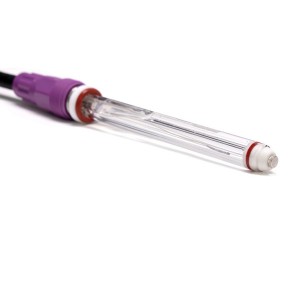
CS2543C/CS2543CT ORP Meter Monitoring Controller Online PH Meter
Designed for General application.
Double salt bridge design, double layer seepage interface, resistant to medium reverse seepage.
The ceramic pore parameter electrode oozes out of the interface and is not easy to be blocked, which is suitable for monitoring of common water quality environmental media.
High-strength glass bulb design, the glass appearance is stronger.The electrode adopts low noise cable, the signal output is farther and more stable
Large sensing bulbs increase the ability to sense hydrogen ions, and perform well in common water quality environment media.
-
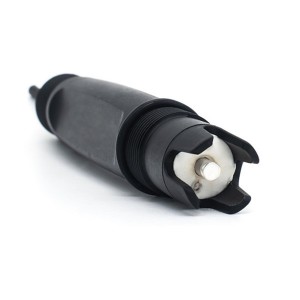
CS2700C RS485 Industrial Online ORP PH Controller Meter For Water Measurement
Designed for General application.
Double salt bridge design, double layer seepage interface, resistant to medium reverse seepage.
The ceramic pore parameter electrode oozes out of the interface and is not easy to be blocked, which is suitable for monitoring of common water quality environmental media.
High-strength glass bulb design, the glass appearance is stronger.The electrode adopts low noise cable, the signal output is farther and more stable
Large sensing bulbs increase the ability to sense hydrogen ions, and perform well in common water quality environment media.
-
CS2701C ORP PH Controller Meter For Water Measurement Environment ORP Electrode
Designed for General application.
Double salt bridge design, double layer seepage interface, resistant to medium reverse seepage.
The ceramic pore parameter electrode oozes out of the interface and is not easy to be blocked, which is suitable for monitoring of common water quality environmental media.
High-strength glass bulb design, the glass appearance is stronger.The electrode adopts low noise cable, the signal output is farther and more stable
Large sensing bulbs increase the ability to sense hydrogen ions, and perform well in common water quality environment media.
-
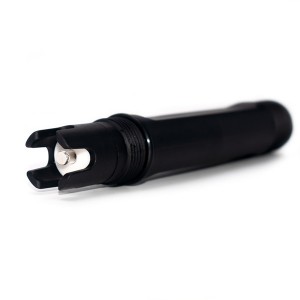
CS2703C/CS2703C Orp Ph Meter chloride ions Industrial Hydroponic Orp Ph Controller
Designed for Heavy metals.
The long-distance reference diffusion path greatly prolongs the service life of the electrode in harsh environments. The newly designed glass bulb increases the bulb area, prevents the generation of
interfering bubbles in the internal buffer, and makes the measurement more reliable.The electrode is made of ultra-bottom impedance-sensitive glass film, and it also has the characteristics of fast response, accurate measurement, good stability, and not easy to hydrolyze in the case of low conductivity and high purity water. -
CS2705C/CS2705CT ORP Electrode electrodwith Temperature and 3/4”Pipe ORP PH Controller
Designed for Sodium hypochlorite solution.
Large sensing bulbs increase the ability to sense hydrogen ions, and perform well in complex environment.The electrode material PP has high impact resistance, mechanical strength and toughness, resistance to a variety of organic solvents and acid and alkali corrosion.
With strong anti-interference ability, high stability and long transmission distance. No poisoning under complex chemical environment. -
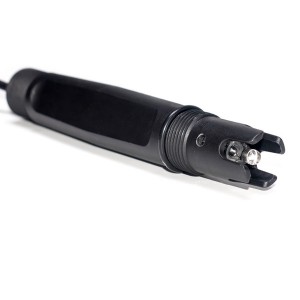
CS2753C orp electrical tds conductivity probe tester sensor monitor electrode For general chemical solutions
Designed For general chemical solutions
digital ORP sensor is suitable for general industrial processes, with double salt bridge design, doublelayer water seepage interface, and resistance to medium reverse seepage. The ceramic pore parameter electrode oozes out of the interface, which is not easy to be blocked, and is suitable for the monitoring of common water quality environmental media. Adopt PTFE large ring diaphragm to ensure the durability of the electrode;Application industry: supporting For general chemical solutions -
CS2745C/CS2745CT Professional Portable pH/ORP Meter Water Quality High Temperature orp electrical
Designed For High temperature environment
digital ORP electrode adopts the most advanced solid dielectric in the world and large-area PTFE liquid junction. Not easy to block, easy to maintain. The long-distance reference diffusion path greatly prolongs the service life of the electrode in harsh environments. With built-in temperature sensor (Pt100, Pt1000, etc. can be selected according to user requirements) and wide temperature range, it can be used in explosion-proof areas. -
CS2733C RS485 Industrial Online ORP PH Controller Meter For Water Measurement
Designed For general chemical solutions
digital ORP sensor is suitable for general industrial processes, with double salt bridge design, doublelayer water seepage interface, and resistance to medium reverse seepage. The ceramic pore parameter electrode oozes out of the interface, which is not easy to be blocked, and is suitable for the monitoring of common water quality environmental media. Adopt PTFE large ring diaphragm to ensure the durability of the electrode;Application industry: supporting For general chemical solutions -
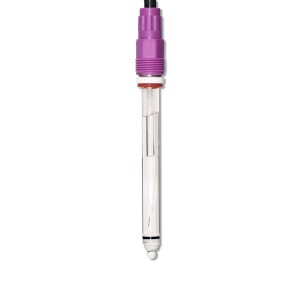
CS1500C/CS1501C Digital PH electrode sensor 4-20mA RS485 Water quality
Designed For pH sensor common water quality.
digitalpH sensor sensor is suitable for common water quality., with double salt bridge design, doublelayer water seepage interface, and resistance to medium reverse seepage. The ceramic pore parameter electrode oozes out of the interface, which is not easy to be blocked, and is suitable for the monitoring of common water quality environmental media. Adopt PTFE large ring diaphragm to ensure the durability of the electrode;Application industry: supporting For general chemical solutions Sewage industrial PH sensor adopts special glass sensitive membrane. Fast response and high Stability. It is widely used in pH monitoring in water treatment, hydrological monitoring, wastewater treatment, swimming pools, fish ponds and fertilizers, chemicals, and biology. -
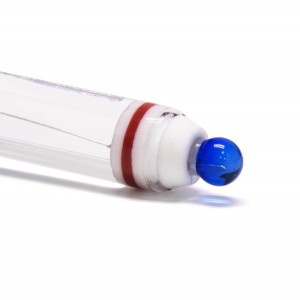
CS1528C RS485 PH Sensor Output Industry Online Hydrofluoric acid PH electrode
Designed ForpH sensor Hydrofluoric acid environment
digital pH sensor tecLine electrodes are high-quality sensors for professional applications in process and industrial measurement technology. These electrodes are known for their use of top-quality materials and components. They are designed as combined electrodes (the glass or metal electrode and the reference electrode are combined in one shaft). A temperature probe can also be integrated as an option, depending on the type. industrial pH electrode is a cost-effective electrode developed by our company for various industrial wastewater, domestic sewage, drinking water monitoring and environmental water treatment. -
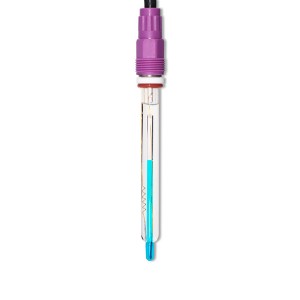
CS1528CU/CS1528CUT Online PH electrode Hydrofluoric acid environment Treatment Digital PH Sensor
Designed For pH sensor Hydrofluoric acid environment
digital pH sensor tecLine electrodes are high-quality sensors for professional applications in process and industrial measurement technology. These electrodes are known for their use of top-quality materials and components. They are designed as combined electrodes (the glass or metal electrode and the reference electrode are combined in one shaft). A temperature probe can also be integrated as an option, depending on the type. It is widely used in pH monitoring in water treatment, hydrological monitoring, wastewater treatment, swimming pools, fish ponds and fertilizers, chemicals, and biology. -
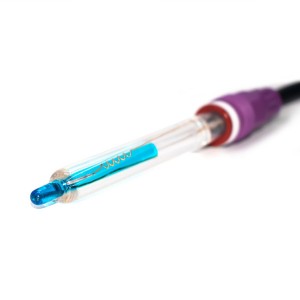
CS1529C/CS1529CT pH sensor glass electrode for application in industry Hydrofluoric acid environment
Designed For pH sensor marine environment
industrial pH electrode is a cost-effective electrode developed by our company for various industrial wastewater, domestic sewage, drinking water monitoring and environmental water treatment. It has high measurement accuracy, fast response, good repeatability and low maintenance.Sewage industrial PH sensor adopts Germany's latest PH composite electrode process and is equipped with a solid-state reserve salt ring design, which is more durable than conventional conventional electrodes. Fast response and high Stability. It is widely used in pH monitoring in water treatment, hydrological monitoring, wastewater treatment, swimming pools, fish ponds and fertilizers, chemicals, and biology. -
CS1543C/CS1543CT PH Meter 0-14 Range pH Chemical Processes Electrode Probe
Designed For pH sensor Strong acids
industrial pH electrodes are high-quality sensors for professional applications in process and industrial measurement technology. These electrodes are known for their use of top-quality materials and components. They are designed as combined electrodes (the glass or metal electrode and the reference electrode are combined in one shaft). A temperature probe can also be integrated as an option, depending on the type.Incineration plants
Water treatment:
- Drinking water
- Cooling water
- Well water
With ATEX, FM, CSA approval for use in hazardous areas. -
CS1544CDB/CS1544CDBT PH Meter 0-14 Range pH Calcium Hydroxide Electrode Probe
ph electrode (ph sensor) consists of a pH-sensitive membrane, double-junction reference GPT medium electrolyte, and a porous ,large-area PTFE salt bridge. The plastic case of the electrode is made of modified PON, which can withstand high temperature up to 100°C and resist strong acid and strong alkali corrosion. It is widely used in wastewater treatment and fields including mining and smelting, papermaking, paper pulp, textiles, petrochemical industry, process of semiconductor electronic industry and downstream engineering of biotechnology.