

Introduction
Traditional Chemical Oxygen Demand (COD) analysis requires laboratory equipment, hazardous reagents (dichromate), and lengthy digestion procedures. But what if you could monitor COD, Biochemical Oxygen Demand (BOD), Total Organic Carbon (TOC), and turbidity simultaneously, in real time, without any reagents?
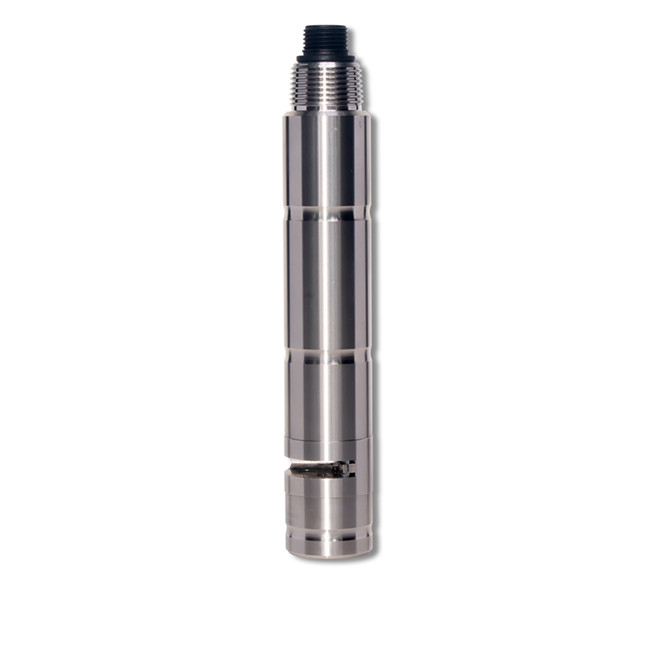
The Digital RS485 Output COD Sensor (Model CS6603CD) makes this possible by using Ultraviolet Absorption (UV254) technology. Many organic compounds absorb UV light at 254 nm. By measuring the absorbance at this specific wavelength, the sensor continuously calculates equivalent COD, BOD, and TOC values – all without chemicals, no sample preparation, and no pollution.
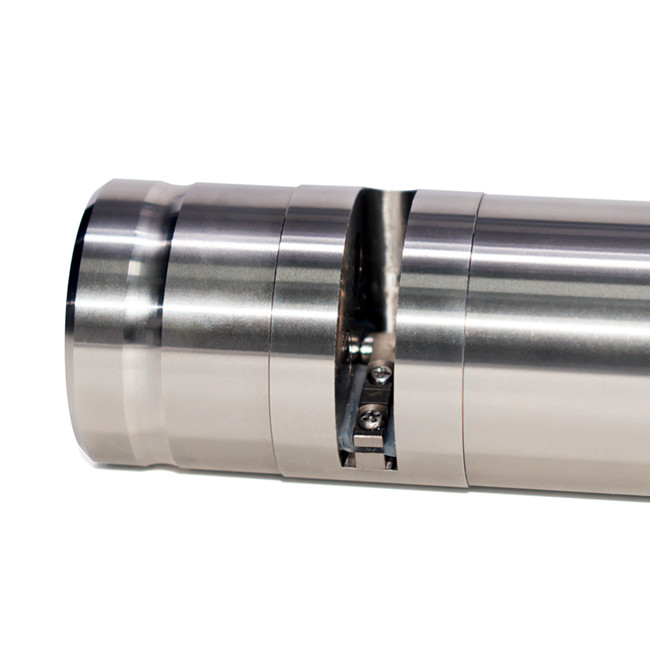
This sensor also integrates turbidity compensation, using a separate measurement to correct interference from suspended solids, and a self‑cleaning brush to prevent biofouling, ensuring reliable long‑term operation.
Using this sensor is straightforward. Here is a typical workflow:
Installation
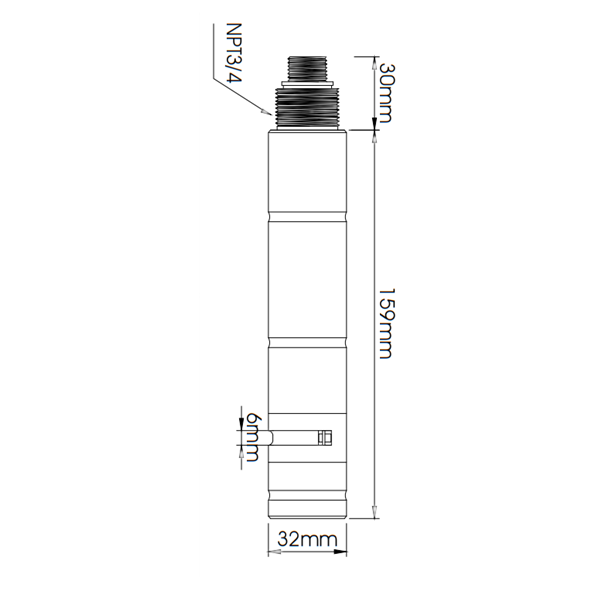
- Mount the sensor vertically or horizontally in a flow cell, open channel, or directly submerge it in the tank using a suitable holder.
- Connect the RS‑485 (Modbus) interface to your data logger, PLC, or SCADA system. Default cable length is 10 meters.
Power Up
- Supply DC 12V (±5%, current <50 mA without wiper). The sensor is IP68 rated, suitable for submerged operation up to 1 bar pressure.
Calibration
- For initial setup, perform a one or two‑point user calibration using a standard solution (e.g., KHP for COD/BOD/TOC). Zero calibration with deionized water is also recommended.
- Factory calibration is already stored; user calibration fine‑tunes for specific water matrices.
Start Measuring
- The sensor outputs real‑time values for COD, BOD, TOC, and turbidity via Modbus RTU.
- The self‑cleaning brush (wiper) can be triggered manually or automatically to clean the optical windows, extending maintenance intervals.
Data Logging & Control
- Integrate the digital data into your automation system to trigger alarms, adjust aeration rates, or optimize chemical dosing in wastewater treatment processes.
Key Specifications at a Glance
| Parameter | Range | Accuracy | Resolution |
|---|---|---|---|
| COD | 0.1 – 1500 mg/L (KHP) | <5% | 0.01 mg/L |
| BOD | 0.1 – 900 mg/L (KHP) | <5% | 0.01 mg/L |
| TOC | 0.1 – 750 mg/L (KHP) | <5% | 0.1 mg/L |
| Turbidity | 0.1 – 4000 NTU | <3% or 0.2 NTU | 0.1 NTU |
| Temperature | +5 – 45 °C | — | — |
Why Choose This Sensor?
- ✅ No reagents, no waste, no pollution
- ✅ Simultaneous COD, BOD, TOC, and turbidity output
- ✅ Turbidity compensation for high accuracy in real samples
- ✅ Self‑cleaning brush for low maintenance
- ✅ Digital RS‑485 Modbus for easy integration
- ✅ IP68, suitable for harsh field conditions
Conclusion
Whether you are monitoring influent, effluent, or process water in a municipal or industrial plant, the Digital RS485 Output COD sensor offers a fast, clean, and cost‑effective alternative to traditional COD analyzers. It provides continuous, real‑time data that helps you detect contamination events early, optimize treatment processes, and reduce operational costs – all while eliminating hazardous reagents.

Post time: May-20-2026