

Digital Transmitter and Sensors Series
-

CE Digital Salinity/Ec/Conductivity Meter Ultra Pure Water Sensor CS3743D
For continuous monitoring and control of conductivity / TDS and temperature values of aqueous solutions. Widely used in power plants, petrochemical, metallurgy, paper industry, environmental water treatmen and other fields. For example, monitoring and control of raw water and water quality of water production equipment such as recharge water, saturated water, condensate water and furnace water, ion exchange, reverse osmosis EDL,seawater distillation 。Digital Salinity Meter is an online analytical device for continuous measurement of salinity in water, typically expressed in practical salinity units (PSU), parts per thousand (ppt), or mg/L (ppm). It operates by measuring electrical conductivity (µS/cm or mS/cm) and converting the value to salinity using a built‑in algorithm and automatic temperature compensation (ATC), ensuring accurate readings over a wide temperature range (e.g., 0–60°C). The sensor directly outputs measurement data via RS‑485 (Modbus RTU) or 4–20 mA, enabling plug‑and‑play integration into SCADA or IoT monitoring platforms. It features a rugged, waterproof (IP68) housing, fast response, and low maintenance. Typical applications include seawater monitoring, aquaculture (fish/shrimp farming to control osmotic stress), ballast water treatment, industrial wastewater, desalination plant feedwater and brine monitoring, and agricultural drainage. Measurement ranges typically cover 0–70 PSU (or 0–70000 mg/L). Unlike traditional refractometers or hydrometers, the digital sensor provides real‑time, continuous data without manual sampling or laboratory analysis. By delivering continuous, reliable salinity readings, the digital salinity meter helps optimize irrigation, protect aquatic life, ensure discharge compliance, and reduce operational and maintenance costs. Its plug‑and‑play design makes it an essential tool for both field and industrial water quality monitoring. -

Digital RS485 Ammonia Nitrogen Sensor Potassium Ion Compensation NH3 NH4 CS6015D
Digital NH₃-N Ammonia Nitrogen Sensor is an online analytical device for continuous measurement of ammonia nitrogen concentration in water and wastewater. It typically operates on the ion-selective electrode (ISE) principle combined with a gas-permeable membrane. Ammonia gas diffuses through the membrane into an internal electrolyte, causing a pH change that is directly proportional to the NH₃-N concentration. The sensor features automatic temperature compensation (ATC), a built-in reference electrode, and direct digital output (RS-485, Modbus RTU) for seamless integration into SCADA or IoT platforms. Its robust, waterproof (IP68) housing ensures reliable performance in harsh environments. Common applications include municipal wastewater treatment (aeration tank and effluent monitoring), aquaculture (toxicity control), drinking water source protection, and industrial process control. Typical range is 0–1000 mg/L with fast response and low maintenance. Compared to colorimetric analyzers, this sensor requires no reagents, no sample preparation, and provides real-time data. It helps optimize aeration, reduce energy and chemical costs, ensure regulatory compliance, and protect aquatic life. Its digital design eliminates signal interference and enables plug‑and‑play connectivity, remote calibration, and long-term stability, making it essential for unattended, continuous water quality monitoring. -

Online Digital NH3-N Potassium Ion Compensation Ammonia Nitrogen Sensor RS485 CS6015DK
Digital NH₃-N Ammonia Nitrogen Sensor is an online analytical device for continuous measurement of ammonia nitrogen concentration in water and wastewater. It typically operates on the ion-selective electrode (ISE) principle combined with a gas-permeable membrane. Ammonia gas diffuses through the membrane into an internal electrolyte, causing a pH change that is directly proportional to the NH₃-N concentration. The sensor features automatic temperature compensation (ATC), a built-in reference electrode, and direct digital output (RS-485, Modbus RTU) for seamless integration into SCADA or IoT platforms. Its robust, waterproof (IP68) housing ensures reliable performance in harsh environments. Common applications include municipal wastewater treatment (aeration tank and effluent monitoring), aquaculture (toxicity control), drinking water source protection, and industrial process control. Typical range is 0–1000 mg/L with fast response and low maintenance. Compared to colorimetric analyzers, this sensor requires no reagents, no sample preparation, and provides real-time data. It helps optimize aeration, reduce energy and chemical costs, ensure regulatory compliance, and protect aquatic life. Its digital design eliminates signal interference and enables plug‑and‑play connectivity, remote calibration, and long-term stability, making it essential for unattended, continuous water quality monitoring.
-

CS1515D Digital pH Sensor
Digital pH Sensor is an online analytical device for continuous measurement of hydrogen ion activity (pH) in water. It features a rugged combination electrode with a low‑impedance glass membrane and an integrated reference electrode. The sensor directly outputs digital data via RS‑485 (Modbus RTU) with automatic temperature compensation (ATC) for accurate readings across a wide pH range (0–14). It is built with a durable, waterproof (IP68) body and features long‑term stability, fast response, and low maintenance. Typical applications include wastewater treatment, drinking water monitoring, industrial process control, aquaculture, and chemical processing. The digital design enables plug‑and‑play connectivity, remote calibration, and seamless integration into SCADA or IoT monitoring platforms. By providing continuous, reliable pH data, the sensor helps optimize chemical dosing (acid/alkali), ensure regulatory compliance, and maintain optimal conditions for biological and chemical processes. Unlike traditional analog pH sensors, the digital version eliminates signal interference and cable length limitations, making it an essential, cost‑effective tool for unattended, real‑time water quality monitoring.
Digital pH Sensor is an online analytical device for continuous measurement of hydrogen ion activity (pH) in water. It features a rugged combination electrode with a low‑impedance glass membrane and an integrated reference electrode. The sensor directly outputs digital data via RS‑485 (Modbus RTU) with automatic temperature compensation (ATC) for accurate readings across a wide pH range (0–14). It is built with a durable, waterproof (IP68) body and features long‑term stability, fast response, and low maintenance. Typical applications include wastewater treatment, drinking water monitoring, industrial process control, aquaculture, and chemical processing. The digital design enables plug‑and‑play connectivity, remote calibration, and seamless integration into SCADA or IoT monitoring platforms. By providing continuous, reliable pH data, the sensor helps optimize chemical dosing (acid/alkali), ensure regulatory compliance, and maintain optimal conditions for biological and chemical processes. Unlike traditional analog pH sensors, the digital version eliminates signal interference and cable length limitations, making it an essential, cost‑effective tool for unattended, real‑time water quality monitoring. -
CS1728D Digital pH Sensor
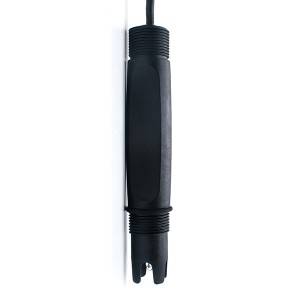
Designed for Hydrofluoric acid environment. HF concentration < 1000ppm Digital pH Sensor is an online analytical device for continuous measurement of hydrogen ion activity (pH) in water. It features a rugged combination electrode with a low‑impedance glass membrane and an integrated reference electrode. The sensor directly outputs digital data via RS‑485 (Modbus RTU) with automatic temperature compensation (ATC) for accurate readings across a wide pH range (0–14). It is built with a durable, waterproof (IP68) body and features long‑term stability, fast response, and low maintenance. Typical applications include wastewater treatment, drinking water monitoring, industrial process control, aquaculture, and chemical processing. The digital design enables plug‑and‑play connectivity, remote calibration, and seamless integration into SCADA or IoT monitoring platforms. By providing continuous, reliable pH data, the sensor helps optimize chemical dosing (acid/alkali), ensure regulatory compliance, and maintain optimal conditions for biological and chemical processes. Unlike traditional analog pH sensors, the digital version eliminates signal interference and cable length limitations, making it an essential, cost‑effective tool for unattended, real‑time water quality monitoring.
Easy to connect to PLC, DCS, industrial control computers, general purpose controllers, paperless recording instruments or touch screens and other third party devices. -

CS1543D Digital pH Sensor
Digital pH Sensor is an online analytical device for continuous measurement of hydrogen ion activity (pH) in water. It features a rugged combination electrode with a low‑impedance glass membrane and an integrated reference electrode. The sensor directly outputs digital data via RS‑485 (Modbus RTU) with automatic temperature compensation (ATC) for accurate readings across a wide pH range (0–14). It is built with a durable, waterproof (IP68) body and features long‑term stability, fast response, and low maintenance. Typical applications include wastewater treatment, drinking water monitoring, industrial process control, aquaculture, and chemical processing. The digital design enables plug‑and‑play connectivity, remote calibration, and seamless integration into SCADA or IoT monitoring platforms. By providing continuous, reliable pH data, the sensor helps optimize chemical dosing (acid/alkali), ensure regulatory compliance, and maintain optimal conditions for biological and chemical processes. Unlike traditional analog pH sensors, the digital version eliminates signal interference and cable length limitations, making it an essential, cost‑effective tool for unattended, real‑time water quality monitoring. -
CS2733D Digital ORP Sensor
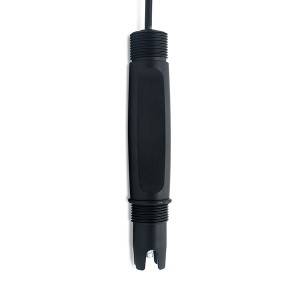
Digital ORP (Oxidation‑Reduction Potential) Sensor is an online electrochemical device for continuous measurement of the redox potential in water, typically expressed in millivolts (mV). It operates using a platinum or gold measuring electrode combined with a silver/silver chloride reference electrode. The sensor directly outputs digital data via RS‑485 (Modbus RTU), with automatic temperature compensation (ATC) for stable readings. It features a rugged, waterproof (IP68) body, fast response, and low maintenance. ORP indicates a solution’s ability to oxidize or reduce compounds, making the sensor essential for monitoring disinfection processes (chlorine, ozone, chlorine dioxide), wastewater treatment (e.g., cyanide oxidation or chromate reduction), and water quality control in cooling towers, swimming pools, and industrial process water. Unlike traditional ORP probes, the digital version provides plug‑and‑play connectivity, remote calibration, and real‑time data integration into SCADA or IoT platforms. It helps optimize chemical dosing, ensure effective disinfection, reduce chemical waste, and maintain compliance with health and safety standards. The digital ORP sensor is a cost‑effective, low‑maintenance tool for continuous water quality monitoring. -
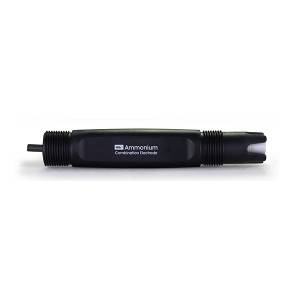
CS6721D Digital Nitrite Sensor
Digital Nitrate Ion Sensor is an online ion‑selective electrode (ISE) device for continuous measurement of nitrate‑nitrogen (NO₃⁻‑N) concentration in water. It operates on a PVC or polymer membrane ISE principle, combined with an integrated reference electrode and automatic temperature compensation (ATC), delivering accurate, drift‑free readings. The sensor directly outputs measurement data via RS‑485 (Modbus RTU), enabling plug‑and‑play integration into SCADA or IoT monitoring platforms. It features a durable, waterproof (IP68) body, typical range of 0–1000 mg/L, and low maintenance without reagent consumption. Common applications include drinking water safety monitoring (nitrate is regulated due to health risks), aquaculture (toxic to fish), agricultural runoff monitoring, and wastewater denitrification control. By providing real‑time nitrate data, the digital sensor helps optimize treatment processes, reduce chemical usage, ensure regulatory compliance, and protect public health and aquatic ecosystems. Compared to colorimetric analyzers, it requires no chemicals, no sample preparation, and has faster response and lower operating cost, making it essential for unattended, continuous water quality monitoring. -
CS6720D Digital Nitrate Ion Sensor
Digital Nitrate Ion Sensor is an online ion‑selective electrode (ISE) device for continuous measurement of nitrate‑nitrogen (NO₃⁻‑N) concentration in water. It operates on a PVC or polymer membrane ISE principle, combined with an integrated reference electrode and automatic temperature compensation (ATC), delivering accurate, drift‑free readings. The sensor directly outputs measurement data via RS‑485 (Modbus RTU), enabling plug‑and‑play integration into SCADA or IoT monitoring platforms. It features a durable, waterproof (IP68) body, typical range of 0–1000 mg/L, and low maintenance without reagent consumption. Common applications include drinking water safety monitoring (nitrate is regulated due to health risks), aquaculture (toxic to fish), agricultural runoff monitoring, and wastewater denitrification control. By providing real‑time nitrate data, the digital sensor helps optimize treatment processes, reduce chemical usage, ensure regulatory compliance, and protect public health and aquatic ecosystems. Compared to colorimetric analyzers, it requires no chemicals, no sample preparation, and has faster response and lower operating cost, making it essential for unattended, continuous water quality monitoring. -

CS6718D Digital Hardness Sensor (Ca Ion)
Digital Hardness Sensor is an online ion‑selective electrode (ISE) device for continuous measurement of calcium (Ca²⁺) and magnesium (Mg²⁺) ions in water, which together define total water hardness. It operates on a solid‑state or liquid‑membrane ISE principle combined with an integrated reference electrode and automatic temperature compensation (ATC), delivering accurate, drift‑free readings in real time. The sensor directly outputs measurement data via RS‑485 (Modbus RTU), enabling plug‑and‑play integration into SCADA or IoT monitoring platforms. It features a durable, waterproof (IP68) body, wide measurement range (e.g., 0–500 mg/L as CaCO₃), and low maintenance without reagents. Typical applications include boiler feedwater, cooling towers, industrial process water, reverse osmosis pretreatment, and drinking water hardness control. By providing continuous, reliable hardness data, the digital sensor helps prevent scaling, optimize chemical (e.g., anti‑scalant) dosing, protect pipes and equipment, and reduce operational and maintenance costs. Unlike traditional titration methods, it offers real‑time, 24/7 monitoring without manual sampling or laboratory analysis, making it essential for efficient industrial water management. -

CS6710D Digital Fluoride ion Sensor
Digital Fluoride Ion Sensor is an online analytical device designed for the continuous measurement of fluoride ion (F⁻) concentration in water. It operates on the ion‑selective electrode (ISE) principle using a solid‑state lanthanum fluoride (LaF₃) crystal membrane, which ensures excellent selectivity and stability in routine and industrial applications. The sensor includes an integrated reference electrode and automatic temperature compensation (ATC) to deliver accurate, drift‑free readings across a typical range of 0.01–2000 mg/L. It directly outputs measurement data via RS‑485 (Modbus RTU), allowing plug‑and‑play integration into SCADA or IoT monitoring platforms. The sensor features a durable, waterproof (IP68) body, long‑term stability without reagent consumption, and low maintenance, making it suitable for drinking water fluoridation control, wastewater treatment, and environmental monitoring. By providing real‑time, reliable fluoride data, the digital sensor helps optimize chemical dosing, ensure compliance with health and safety standards, and protect public health. -

CS6711D Digital Chloride ion Sensor
Digital Chloride Ion Sensor is an online analytical device designed for continuous, real-time measurement of chloride ion (Cl⁻) concentration in water and industrial solutions. It operates on the ion-selective electrode (ISE) principle, utilizing a solid-state or PVC membrane that responds selectively to chloride ions. The sensor features automatic temperature compensation (ATC) and a built-in reference electrode for drift-free, accurate readings. It directly outputs measurement data via RS-485 (Modbus RTU), enabling seamless integration into SCADA, IoT, or remote monitoring systems. Constructed with durable materials, it offers IP68 protection and low maintenance requirements. The sensor covers a typical measurement range of 0–50000 ppm (0–5%) and responds quickly. Its digital design eliminates signal interference, ensures plug-and-play connectivity, and supports remote calibration. Widely used applications include concrete corrosion monitoring, drinking water safety, industrial wastewater control, food processing, and road runoff testing. By providing continuous, reliable chloride data, it helps protect infrastructure, ensure public health, and reduce chemical dosing and operational risks in water treatment processes.
-

CS6714D Digital Ammonium Nitrogen Ion Sensor
The Digital Ammonium Nitrogen Ion Sensor is an advanced online analytical device for continuous monitoring of ammonium (NH₄⁺-N) concentration in water and wastewater. It operates on the principle of ion-selective electrode (ISE) technology, combined with a reference electrode and automatic temperature compensation (ATC) for accurate, drift-free readings. The sensor directly outputs digital data via RS-485 (Modbus RTU), enabling easy integration into SCADA or IoT systems. It features a robust IP68 housing, minimal maintenance (no reagents required), and a built‑in cleaning mechanism to prevent biofouling. The sensor is widely used in municipal wastewater treatment, aquaculture, drinking water source monitoring, and environmental protection. It measures ammonium nitrogen typically in the range of 0–1000 mg/L with fast response and high stability. Compared to traditional colorimetric analyzers, this sensor offers lower operating costs and real-time data, making it an essential tool for efficient process control and regulatory compliance. -
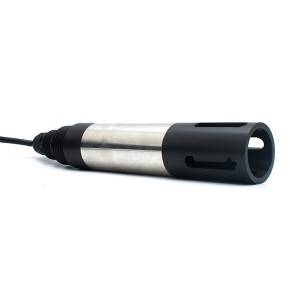
CS4773D Digital Dissolved Oxygen Sensor
Dissolved oxygen sensor is a new generation of intelligent water quality detection digital sensor independently developed by twinno. Data viewing, debugging and maintenance can be carried out through mobile APP or computer. Dissolved oxygen on-line detector has the advantages of simple maintenance, high stability, superior repeatability and multi-function. It can accurately measure DO value and temperature value in solution. Dissolved oxygen sensor is widely used in wastewater treatment, purified water, circulating water, boiler water and other systems, as well as electronics, aquaculture, food, printing and dyeing, electroplating, pharmaceutical, fermentation, chemical aquaculture and tap water and other solutions of the continuous monitoring of dissolved oxygen value. -

CS4760D Digital Dissolved Oxygen Sensor
Digital Dissolved Oxygen Sensor based on the fluorescence method is a modern, high-performance sensor for continuous DO measurement in water and wastewater. Unlike traditional polarographic or galvanic sensors, it uses an optical principle: a luminescent material is excited by blue light, and the decay time or intensity of the emitted red light is directly related to the oxygen concentration. This method requires no electrolyte, no membrane replacement, and has no oxygen consumption, significantly reducing maintenance and calibration frequency. The sensor features a built-in digital output (RS-485, Modbus RTU), automatic temperature and pressure compensation, and anti-interference design for stable readings even in low-flow or low-oxygen environments. It is widely used in aquaculture, municipal wastewater treatment, surface water monitoring, and industrial process control. With its durable construction, fast response, and long-term stability, the fluorescence DO sensor ensures accurate and reliable online monitoring for critical water quality management.