

Products
-

Industrial Online Fluoride Ion Concentration Transmitter T6510
Industrial online Ion meter is an online water quality monitoring and control instrument with microprocessor. It can be equipped with Ion
selective sensor of Fluoride, Chloride, Ca2+, K+, NO3-, NO2-, NH4+, etc.The instrument is widely used in industrial waste water, surface water, drinking water, sea water, and industrial process control ions on-line automatic testing and analysis, etc. Continuously monitor and control Ion concentration and temperature of aqueous solution. -

CS6721D Nitrate Ion Selective Electrode RS485 Output Water quality Sensor ca2+
Product advantages:
1.CS6721D Nitrite ion single electrode and composite electrode are solid membrane ion selective electrodes, used to test free chloride ions in water, which can be fast, simple, accurate and economical
2.The design adopts the principle of single-chip solid ion selective electrode, with high measurement accuracy
3.PTEE large-scale seepage interface, not easy to block, anti-pollution Suitable for wastewater treatment in the semiconductor industry, photovoltaics, metallurgy, etc. and pollution source discharge monitoring
4.High-quality imported single chip, accurate zero point potential without drift -

ph ORP Controller Electrode ph meter Transmitter Water ph tds Tester CS2733D
Double salt bridge design, double layer seepage interface, resistant to medium reverse seepage. The ceramic pore parameter electrode oozes out of the interface and is not easy to be blocked, which is suitable for monitoring of common water quality environmental media. High-strength glass bulb design, the glass appearance is stronger. The electrode adopts low noise cable, the signal output is farther and more stable Large sensing bulbs increase the ability to sense hydrogen ions, and perform well in common water quality. -
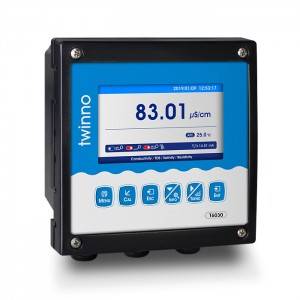
T6030 Online PH Electrode Conductivity / Resistivity / TDS / Salinity Meter
Industrial online conductivity meter is a microprocessor-based water quality online monitoring control instrument, the salinometer measures and supervises the salinity (salt content) by conductivity measurement in fresh water. The measured value is displayed as ppm and by comparing the measured value to a user defined alarm set point value, relay outputs are available to indicate if salinity is above or below the alarm set point value. -

Industrial Online Water TDS/Salinity Conductivity Meter Analyzer Electromagnetic T6038
Industrial on-line water quality monitoring and control instrument with microprocessor. The instrument is widely used in thermal power, chemical industry, steel pickling and other industries, such as regeneration of ion exchange resin in power plant, chemical industry process, etc., to continuously detect and control the concentration of chemical acid or alkali in aqueous solution. -

T4070 Online Turbidity Meter Auto-Cleaning Function Turbidity Sensor
The principle of the turbidity/sludge concentration sensor is based on the combined infrared absorption and scattered light method. The ISO7027 method can be used to continuously and accurately determine the turbidity or sludge concentration. According to ISO7027 infrared double- scattering light technology is not affected by chromaticity to determine the sludge concentration value. The self-cleaning function can be selected according to the use environment.
Stable data, reliable performance; built-in self-diagnosis function to ensure accurate data; simple installation and calibration. -
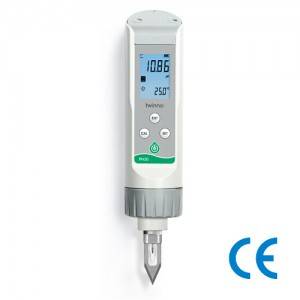
Pocket High Precision Handheld Pen Type Digital pH Meter PH30
A product specially designed for testing pH value with which you can easily test and trace the acid-base value of the tested object. pH30 meter also been called as acidometer, it's the device that measure the value of pH in liquid, which had been widely used in the water quality testing applications. Portable pH meter can test the acid-base in water, which is used in many fields like aquaculture, water treatment, environmental monitoring, river regulation and so on. Accurate and stable, economical and convenient, easy to maintain, pH30 brings you more convenience, create a new experience of acid-base application. -
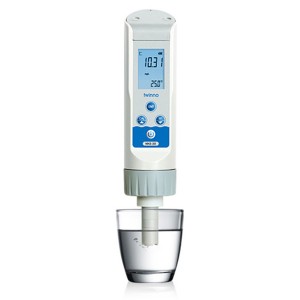
Portable Orp Test Pen Alkaline Water Orp Meter ORP/Temp ORP30
A product specially designed for testing redox potential with which you can easily test and trace the millivolt value of the tested object. ORP30 meter also been called as redox potential meter, it's the device that measure the value of redox potential in liquid, which had been widely used in the water quality testing applications. Portable ORP meter can test the redox potential in water, which is used in many fields like aquaculture, water treatment, environmental monitoring, river regulation and so on. Accurate and stable, economical and convenient, easy to maintain, ORP30 redox potential brings you more convenience, create a new experience of redox potential application. -
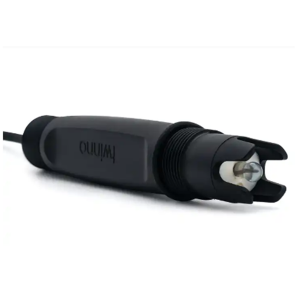
CS2700 General Application ORP Sensor Electrode automatic Aquarium Apure water
Double salt bridge design, double layer seepage interface, resistant to medium reverse seepage.
The ceramic pore parameter electrode oozes out of the interface and is not easy to be blocked, which is suitable for monitoring of common water quality environmental media.
High-strength glass bulb design, the glass appearance is stronger.
The electrode adopts low noise cable, the signal output is farther and more stable
Large sensing bulbs increase the ability to sense hydrogen ions, and perform well in common water quality environment media. -
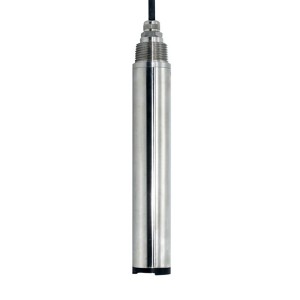
Online Chlorophyll Sensor RS485 Output Usable on Multiparameter CS6401
Based on the fluorescence of the pigments to measurement the target parameters , it can be identified before the impact of algal bloom.No need for extraction or other treatment, rapid detection, to avoid the impact of shelving water samples;Digital sensor, strong anti-interference ability, long transmission distance;Standard digital signal output can be integrated and networked with other devices without controller. Installation of sensors on site is convenient and fast, realizing plug and play. -
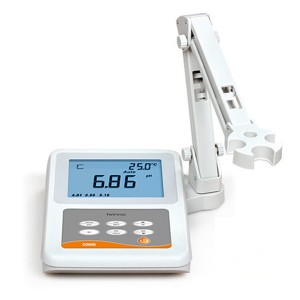
CON500 Benchtop Digital Conductivity/TDS/Salinity Meter Tester for Lab
Delicate, compact and humanized design, space saving. Easy and quick calibration, optimum accuracy in Conductivity, TDS and Salinity measurements, easy operation comes with high luminant backlight make the instrument an ideal research partner in laboratories, productions plants and schools.
One key to calibrate and automatic identification to complete the correction process; clear and readable display interface, excellent anti-interference performance, accurate measurement, easy operation, combined with high brightness backlight lighting; -
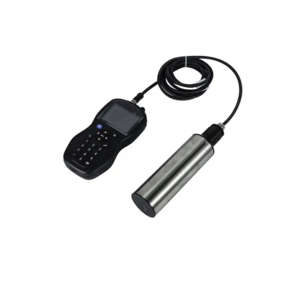
TSS200 Portable Handheld Digital Suspended Solid Meter TSS Meter Turbidity
Suspended solids refers to solid material suspended in the water, including inorganic, organic matter and clay sand, clay, microorganisms, etc. Those do not dissolve in the water. Suspended matter content in water is one of the indexes to measure the degree of water pollution. -
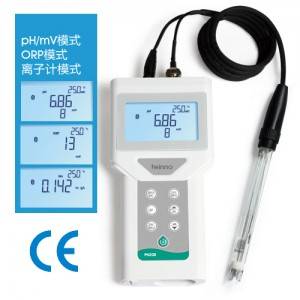
Handheld Digital pH/ORP/Ion/ Temperature Meter High Precision Portable Meter PH200
PH200 series products with precise and practical design concept;
Simple operation, powerful functions, complete measuring parameters, wide measurement range;
Four sets with 11 points standard liquid , one key to calibrate and automatic identification to complete the correction process;
Clear and readable display interface, excellent anti-interference performance, accurate measurement, easy operation, combined with high brightness backlight lighting;
PH200 is your professional testing tool and reliable partner for laboratories, workshops and schools daily measurement work. -

Online Optical Dissolved Oxygen Analyzer DO Meter T6546
Industrial online dissolved oxygen meter is an online water quality monitor and control instrument with microprocessor. The instrument is equipped with fluorescent dissolved oxygen sensors. The online dissolved oxygen meter is a highly intelligent online continuous monitor. It can be equipped with fluorescent electrodes to automatically achieve a wide range of ppm measurement. It is a special instrument for detecting oxygen content in liquids in environmental protection sewage related industries. -

Portable Conductivity/TDS/Salinity Meter Dissolved Oxygen Tester CON300
CON200 handheld conductivity tester is specially designed for multi-parameter testing, providing a one-stop solution for conductivity, TDS, salinity and temperature testing. CON200 series products with precise and practical design concept; simple operation, powerful functions, complete measuring parameters, wide measurement range;One key to calibrate and automatic identification to complete the correction process; clear and readable display interface, excellent anti-interference performance, accurate measurement, easy operation, combined with high brightness backlight lighting;