

Products
-

T4070&CS7800D Turbidity Online Analyzer(Flow-through)
Turbidity Online Analyzer (Flow-through) is an advanced instrument designed for the continuous, real-time measurement of turbidity in liquid streams. It is widely applied in drinking water treatment, wastewater monitoring, industrial process control, and environmental protection.
Unlike traditional benchtop turbidimeters, this flow-through analyzer integrates a special flow cell that directs a sample stream directly through the optical measurement zone. Operating on the nephelometric principle (typically ISO 7027 or EPA 180.1), it uses an infrared or white light source to measure light scattered by suspended particles at a 90° angle. This design minimizes external light interference, ensures consistent sample presentation, and prevents bubble accumulation, all of which improve measurement accuracy and repeatability. -
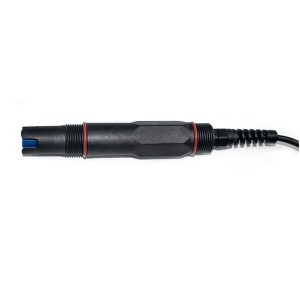
Calcium Ion Selective Electrode Water Quality Analysis CS6718S RS485 Digital Hardness
The calcium electrode is a PVC sensitive membrane calcium ion selective electrode with organic phosphorous salt as the active material, used to measure the concentration of Ca2+ ions in the solution.
Application of calcium ion: The calcium ion selective electrode method is an effective method to determine the calcium ion content in the sample. The calcium ion selective electrode is also often used in online instruments, such as industrial online calcium ion content monitoring, calcium ion selective electrode has the characteristics of simple measurement, fast and accurate response, and can be used with pH and ion meters and online calcium ion analyzers. It is also used in ion selective electrode detectors of electrolyte analyzers and flow injection analyzers. -
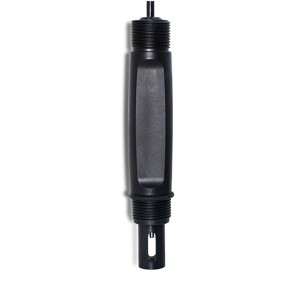
High Accuracy Digital Rs485 Tds Conductivity Meter Ec Meter And Sensor For Water CS3701D
CS3701D Digital Conductivity Sensor: Conductivity sensor technology is an important field of engineering technology research, suitable for low-conductivity applications in semiconductor, electric power, water and pharmaceutical industries. These sensors are compact and easy to use. Determining the specific conductivity of an aqueous solution is more and more important for determining the impurities in the water. The measurement accuracy is greatly affected by factors such as temperature changes, surface polarization of contact electrodes, and cable capacitance. -
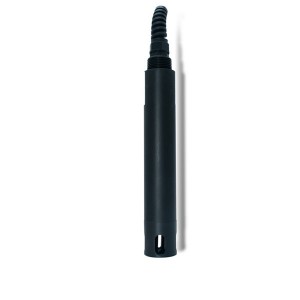
Online Electrode Digital Conductivity Sensor For Industrial Water RS485 tds sensor CS3740D
Measuring specific conductivity of aqueous solutions is becoming increasingly important for determining impurities in water.The measurement accuracy is greatly affected by temperature variation, polarization of the contact electrode surface, cable capacitance, etc.Twinno has designed a variety of sophisticated sensors and meters that can handle these measurements even in extreme conditions.ItismadeofPEEKandissuitableforsimpleNPT3/4”process connections.Theelectricalinterfaceiscustomizable,whichisidealforthisprocess. Thesesensorsaredesignedforaccuratemeasurementsoverawideelectrical conductivityrangeandaresuitableforuseinthepharmaceutical,foodandbeverage industries,whereproductandcleaningchemicalsneedtobemonitored. -
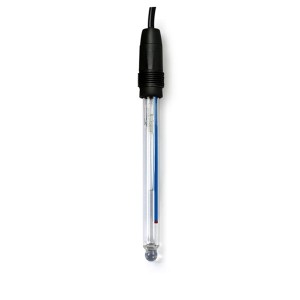
Industrial lab Water Glass Electrode PH sensor Conductivity Probe EC DO ORP CS1529
Designed for seawater environment.
The outstanding application of SNEX CS1529 pH electrode in seawater pH measurement.
1.Solid-state liquid junction design: The reference electrode system is a non-porous, solid, non-exchange reference system. Completely avoid various problems caused by the exchange and blockage of the liquid junction,such as the reference electrode is easy to be polluted, reference vulcanization poisoning, reference loss and other problems.
2.Anti-corrosion material: In the strongly corrosive seawater, the SNEX CS1529 pH electrode is made of marine titanium alloy material to ensure the stable performance of the electrode. -
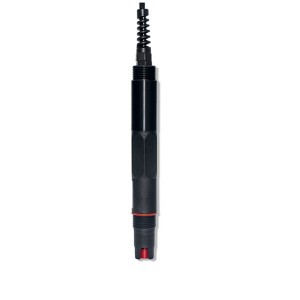
Industrial Online Analyzer Ammonia Nitrogen Sensor Digital RS485 CS6714SD
Digital ISE Sensor Series CS6714SD Ammonium Ion sensor is solid membrane ion selective electrodes, used to test ammonium ions in water, which can be fast, simple, accurate and economical;The design adopts the principle of single-chip solid ion selective electrode, with high measurement accuracy;PTEE large-scale seepage interface, not easy to block, anti-pollution Suitable for wastewater treatment in the semiconductor industry, photovoltaics, metallurgy, etc. and pollution source discharge monitoring;High-quality imported single chip, accurate zero point potential without drift. -

Water Turbidity Sensor Digital Online Rs485 Turbidity Sensor Water Quality Turbidity Meter CS7820D
The principle of the turbidity sensor is based on the combined infrared absorption and scattered light method. The ISO7027 method can be used to continuously and accurately determine the turbidity value. According to ISO7027 infrared double-scattering light technology is not affected by chromaticity to determine the sludge concentration value. The self-cleaning function can be selected according to the use environment. Stable data, reliable performance; built-in self-diagnosis function to ensure accurate data; simple installation and calibration.The electrode body is made of 316L stainless steel, which is corrosion-resistant and more durable. The seawater version can be plated with titanium, which also performs well under strong corrosion.
IP68 waterproof design, can be used for input measurement. Real-time online recording of Turbidity/MLSS/SS, temperature data and curves, compatible with all water quality meters of our company.
0.01-400NTU-2000NTU-4000NTU, a variety of measuring ranges are available, suitable for different working conditions, the measurement accuracy is less than ±5% of the measured value. -

CS6721D Nitrate Ion Selective Electrode RS485 Output Water quality Sensor ca2+
Product advantages:
1.CS6721D Nitrite ion single electrode and composite electrode are solid membrane ion selective electrodes, used to test free chloride ions in water, which can be fast, simple, accurate and economical
2.The design adopts the principle of single-chip solid ion selective electrode, with high measurement accuracy
3.PTEE large-scale seepage interface, not easy to block, anti-pollution Suitable for wastewater treatment in the semiconductor industry, photovoltaics, metallurgy, etc. and pollution source discharge monitoring
4.High-quality imported single chip, accurate zero point potential without drift -

Salinity Tester Meter For Aquaculture Digital Monitor Water Quality Analyser CS3743D
Product Description
For continuous monitoring and control of conductivity / TDS and temperature values of aqueous solutions. Widely used in power plants, petrochemical, metallurgy, paper industry, environmental water treatment, light industrial electronics and other fields. For example, monitoring and control of raw water and water quality of water production equipment such as power plant cooling water, recharge water, saturated water, condensate water and furnace water, ion exchange, reverse osmosis EDL,seawater distillation.The sensor is made from a combination of FDA-approved fluid receiving materials.This makes them ideal for monitoring pure water systems for the preparation of injectable solutions and similar applications.In this application, the sanitary crimping method is used for installation. -
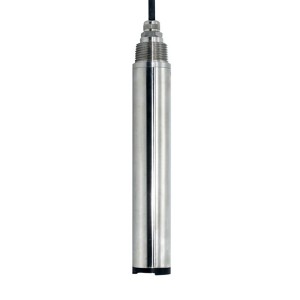
Online Chlorophyll Sensor RS485 Output Usable on Multiparameter CS6401
Based on the fluorescence of the pigments to measurement the target parameters , it can be identified before the impact of algal bloom.No need for extraction or other treatment, rapid detection, to avoid the impact of shelving water samples;Digital sensor, strong anti-interference ability, long transmission distance;Standard digital signal output can be integrated and networked with other devices without controller. Installation of sensors on site is convenient and fast, realizing plug and play. -

ph ORP Controller Electrode ph meter Transmitter Water ph tds Tester CS2733D
Double salt bridge design, double layer seepage interface, resistant to medium reverse seepage. The ceramic pore parameter electrode oozes out of the interface and is not easy to be blocked, which is suitable for monitoring of common water quality environmental media. High-strength glass bulb design, the glass appearance is stronger. The electrode adopts low noise cable, the signal output is farther and more stable Large sensing bulbs increase the ability to sense hydrogen ions, and perform well in common water quality. -

Digital Conductivity Sensor Online TDS Sensor Electrode For Industrial Water RS485 CS3740PCD
Measuring specific conductivity of aqueous solutions is becoming increasingly important for determining impurities in water.The measurement accuracy is greatly affected by temperature variation, polarization of the contact electrode surface, cable capacitance, etc.Twinno has designed a variety of sophisticated sensors and meters that can handle these measurements even in extreme conditions.ItismadeofPEEKandissuitableforsimpleNPT3/4”process connections.Theelectricalinterfaceiscustomizable,whichisidealforthisprocess. Thesesensorsaredesignedforaccuratemeasurementsoverawideelectrical conductivityrangeandaresuitableforuseinthepharmaceutical,foodandbeverage industries,whereproductandcleaningchemicalsneedtobemonitored. -

CS3733CD Digital Conductivity Sensor
Designed for Pure, Boiler Feed water, Power Plant, Condensate Water.
Easy to connect to PLC, DCS, industrial control computers, general purpose controllers, paperless recording instruments or touch screens and other third party devices.
Conductivity sensor technology is an important field of engineering and technology research, used for the liquid conductivity measurement, is widely used in human production and life, as electric power, chemical industry, environmental protection, food, the semiconductor industry research and development, Marine industrial production and essential in the development of technology, a kind of testing and monitoring devices.The conductivity sensor is mainly used to measure and detect industrial production water, human living water, seawater characteristics and battery electrolyte properties. -

Digital Conductivity Sensor For Water CS3701CD
Designed for Pure, Boiler Feed water, Power Plant, Condensate Water.
Easy to connect to PLC, DCS, industrial control computers, general purpose controllers, paperless recording instruments or touch screens and other third party devices.
Conductivity sensor technology is an important field of engineering and technology research, used for the liquid conductivity measurement, is widely used in human production and life, as electric power, chemical industry, environmental protection, food, the semiconductor industry research and development, Marine industrial production and essential in the development of technology, a kind of testing and monitoring devices.The conductivity sensor is mainly used to measure and detect industrial production water, human living water, seawater characteristics and battery electrolyte properties. -

Online Blue Green Algae Sensor with Self-Cleaning SC6000BGA
Blue-Green Algae Monitor is an online analytical instrument for continuous, real-time measurement of phycocyanin (for freshwater cyanobacteria) or phycoerythrin (for marine species) in water. It operates on the principle of fluorescence: an excitation light source (typically at 590 nm for phycocyanin) stimulates the algae pigments, and the resulting fluorescence emission at 650 nm is measured and correlated to algal cell density (cells/mL) or pigment concentration (μg/L). This fluorescence method offers high sensitivity (detection limits as low as 100 cells/mL), fast response (seconds), and requires no reagents or sample preparation. The monitor features a submersible, waterproof (IP68) probe with a built-in wiper or air-blast self-cleaning mechanism to prevent biofouling, automatic temperature compensation (ATC), and digital output (RS-485, Modbus RTU) for seamless integration into SCADA or IoT platforms. Common applications include harmful algal bloom (HAB) early warning in drinking water reservoirs, lake and coastal water monitoring, aquaculture, and ballast water treatment. Typical range is 0–100 μg/L or 0–200,000 cells/mL. By providing real-time blue-green algae data, the monitor helps water utilities optimize treatment processes (e.g., coagulation, filtration, ozonation), prevent cyanotoxin release (e.g., microcystins), reduce chemical and energy costs, and ensure compliance with drinking water safety regulations (e.g., WHO guideline for microcystin-LR: 1.0 μg/L). Compared to laboratory methods (microscopy, HPLC), the fluorescence monitor eliminates sampling delays, reduces labor, and enables truly continuous, unattended operation, making it an essential early warning tool for proactive water quality management and public health protection.