

Products
-
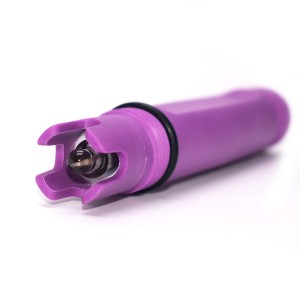
CS1728CU digital ph sensor for Hydrofluoric acid environment water treatment
ph electrode (ph sensor) consists of a pH-sensitive membrane, double-junction reference GPT medium electrolyte, and a porous ,large-area PTFE salt bridge. The plastic case of the electrode is made of modified PON, which can withstand high temperature up to 80°C and resist strong acid and strong alkali corrosion. It is widely used in wastewater treatment and fields including mining and smelting, papermaking, paper pulp, textiles, petrochemical industry, process of semiconductor electronic industry and downstream engineering of biotechnology. -
CS1729C PP Shell NPT3/4” electrode digital ph sensor industrial ph sensor
ph electrode (ph sensor) consists of a pH-sensitive membrane, double-junction reference GPT medium electrolyte, and a porous ,large-area PTFE salt bridge. The plastic case of the electrode is made of modified PON, which can withstand high temperature up to 80°C and resist strong acid and strong alkali corrosion. It is widely used in wastewater treatment and fields including mining and smelting, papermaking, paper pulp, textiles, petrochemical industry, process of semiconductor electronic industry and downstream engineering of biotechnology. -
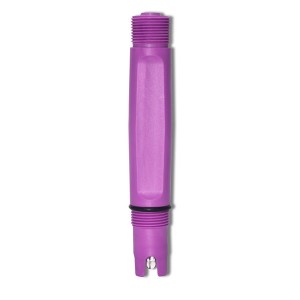
CS1733C digital ph tds tester Transmitter Transducer 4-20 Ma Ph Controller Meter
ph electrode (ph sensor) consists of a pH-sensitive membrane, double-junction reference GPT medium electrolyte, and a porous ,large-area PTFE salt bridge. The plastic case of the electrode is made of modified PON, which can withstand high temperature up to 80°C and resist strong acid and strong alkali corrosion. It is widely used in wastewater treatment and fields including mining and smelting, papermaking, paper pulp, textiles, petrochemical industry, process of semiconductor electronic industry and downstream engineering of biotechnology. -
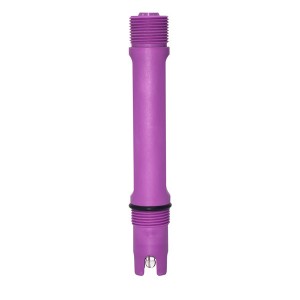
CS1737C Digital ph Tester Transmitter Transducer 4-20 Ma Ph tds Controller
PH/ORP controller is an intelligent on-line chemical analysis instrument. It can continuously monitor data and realize remote transmission monitoring and recording. It can also connect to the RS485 interface. You can also easily connect to a computer using the 4-20ma protocol.compatible with a variety of analog signal electrodes. Complete functions, stable performance, easy operation, low power consumption, safety and reliability are the outstanding advantages of this instrument. This instrument is equipped with RS485 transmission interface, which can be connected to the host computer through ModbusRTU protocol to realize monitoring and recording. -
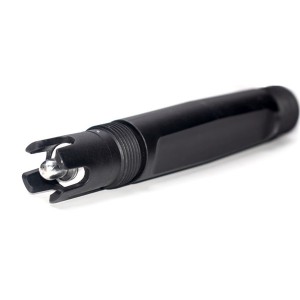
CS1745C/CS1745CT Digital ph tester Transmitter Transducer Ph tds Controller Meter
PH/ORP controller is an intelligent high temperature environment on-line analysis instrument. It can continuously monitor data and realize remote transmission monitoring and recording. It can also connect to the RS485 interface. You can also easily connect to a computer using the 4-20ma protocol.compatible with a variety of analog signal electrodes. Complete functions, stable performance, easy operation, low power consumption, safety and reliability are the outstanding advantages of this instrument. This instrument is equipped with RS485 transmission interface, which can be connected to the host computer through ModbusRTU protocol to realize monitoring and recording. -

CS1747C/CS1747CT Industrial Chemical environment PH Sensor 4-20 MA RS485 Digital Online
PH/ORP compatible with a variety of analog signal electrodes. Complete functions, stable performance, easy operation, low power consumption, safety and reliability are the outstanding advantages of this instrument. This instrument is equipped with RS485 transmission interface, which can be connected to the host computer through ModbusRTU protocol to realize monitoring and recording. It can be widely used in industrial occasions such as thermal power generation, chemical industry, metallurgy, environmental protection, pharmaceutical, biochemical, food and tap water. -
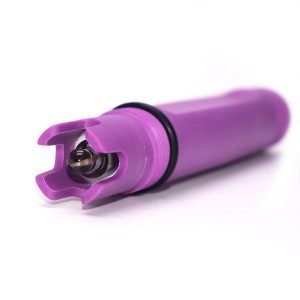
CS1753C Industrial Online PH Sensor Multi Water Strong acids
PH/ORP compatible with a variety of analog signal electrodes. Complete functions, stable performance, easy operation, low power consumption, safety and reliability are the outstanding advantages of this instrument. This instrument is equipped with RS485 transmission interface, which can be connected to the host computer through ModbusRTU protocol to realize monitoring and recording. It can be widely used in industrial occasions such as thermal power generation, chemical industry, metallurgy, environmental protection, pharmaceutical, biochemical, food and tap water. -

CS1754C Industrial PH Sensor sodium sulfate 4-20 MA RS485 Digital Online Ph Probe
compatible with a variety of analog signal electrodes. Complete functions, stable performance, easy operation, low power consumption, safety and reliability are the outstanding advantages of this instrument. This instrument is equipped with RS485 transmission interface, which can be connected to the host computer through ModbusRTU protocol to realize monitoring and recording. It can be widely used in industrial occasions such as thermal power generation, chemical industry, metallurgy, environmental protection, pharmaceutical, biochemical, food and tap water.
Industrial Online Multi Water Quality Monitoring Combination pH Sensor pH Electrode Probe For Wastewater treatment -
CS1778C Industrial Online PH Sensor 0-14pH 4-20 MA RS485 Desulfurization
compatible with a variety of analog signal electrodes. Complete functions, stable performance, easy operation, low power consumption, safety and reliability are the outstanding advantages of this instrument. This instrument is equipped with RS485 transmission interface, which can be connected to the host computer through ModbusRTU protocol to realize monitoring and recording. It can be widely used in industrial occasions such as thermal power generation, chemical industry, metallurgy, environmental protection, pharmaceutical, biochemical, food and tap water.
Industrial Online Multi Water Quality Monitoring Combination pH Sensor pH Electrode Probe For Wastewater treatment -

CS1788C Multiple Functions Industrial Online PP shell Purified Water Ph Sensor Water Quality
compatible with a variety of analog signal electrodes. Complete functions, stable performance, easy operation, low power consumption, safety and reliability are the outstanding advantages of this instrument. This instrument is equipped with RS485 transmission interface, which can be connected to the host computer through ModbusRTU protocol to realize monitoring and recording. It can be widely used in industrial occasions such as thermal power generation, chemical industry, metallurgy, environmental protection, pharmaceutical, biochemical, food and tap water.
Industrial Online Multi Water Quality Monitoring Combination pH Sensor pH Electrode Probe For Wastewater treatment -

CS1789C Ultra-pure water PH Sensor Industrial Ph tds Controller Meter
compatible with a variety of analog signal electrodes. Complete functions, stable performance, easy operation, low power consumption, safety and reliability are the outstanding advantages of this instrument. This instrument is equipped with RS485 transmission interface, which can be connected to the host computer through ModbusRTU protocol to realize monitoring and recording. It can be widely used in industrial occasions such as thermal power generation, chemical industry, metallurgy, environmental protection, pharmaceutical, biochemical, food and tap water.
Industrial Online Multi Water Quality Monitoring Combination pH Sensor pH Electrode Probe For Wastewater treatment -
CS1797C Industrial Online PH Sensor RS485 Organic solvents Digital Online Ph Sensor
compatible with a variety of analog signal electrodes. Complete functions, stable performance, easy operation, low power consumption, safety and reliability are the outstanding advantages of this instrument. This instrument is equipped with RS485 transmission interface, which can be connected to the host computer through ModbusRTU protocol to realize monitoring and recording. It can be widely used in industrial occasions such as thermal power generation, chemical industry, metallurgy, environmental protection, pharmaceutical, biochemical, food and tap water.
Industrial Online Multi Water Quality Monitoring Combination pH Sensor pH Electrode Probe For Wastewater treatment -

Conductivity Sensor Designed for Ultra-Pure Water CS3523
Suitable for low conductivity applications in the semiconductor, power, water and pharmaceutical industries, these sensors are compact and easy to use.The meter can be installed in several ways, one of which is through the compression gland, which is a simple and effective method of direct insertion into the process pipeline.The sensor is made from a combination of FDA-approved fluid receiving materials.This makes them ideal for monitoring pure water systems for the preparation of injectable solutions and similar applications.In this application, the sanitary crimping method is used for installation. -
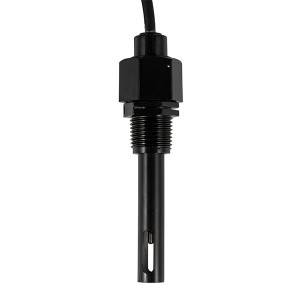
CS3601 Conductivity Sensor TDS EC Meter Temperature Tester
Conductivity sensor technology is an important field of engineering and technology research, used for the liquid conductivity measurement, is widely used in human production and life, as electric power, chemical industry, environmental protection, food, the semiconductor industry research and development, Marine industrial production and essential in the development of technology, a kind of testing and monitoring devices.The conductivity sensor is mainly used to measure and detect industrial production water, human living water, seawater characteristics and battery electrolyte properties. -
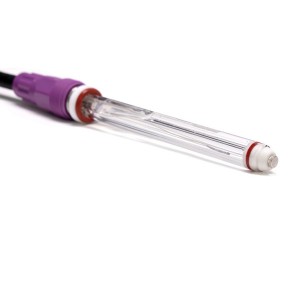
CS2543C/CS2543CT ORP Meter Monitoring Controller Online PH Meter
Designed for General application.
Double salt bridge design, double layer seepage interface, resistant to medium reverse seepage.
The ceramic pore parameter electrode oozes out of the interface and is not easy to be blocked, which is suitable for monitoring of common water quality environmental media.
High-strength glass bulb design, the glass appearance is stronger.The electrode adopts low noise cable, the signal output is farther and more stable
Large sensing bulbs increase the ability to sense hydrogen ions, and perform well in common water quality environment media.